
Cryo-ET
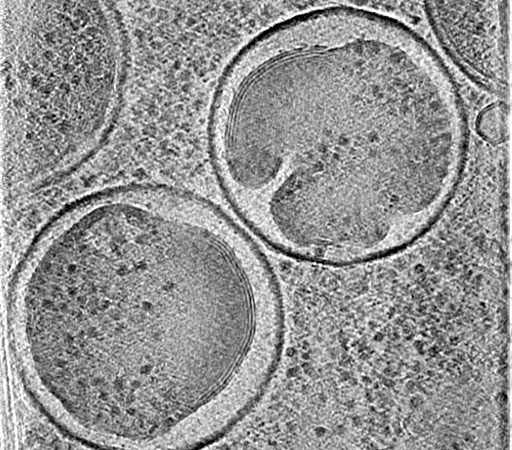
Understanding how Chlamydia adapts to life inside and outside host cells
We are studying how Chlamydia changes form to infect and survive in the body. Using advanced imaging and protein analysis, we track how its internal machinery adapts.
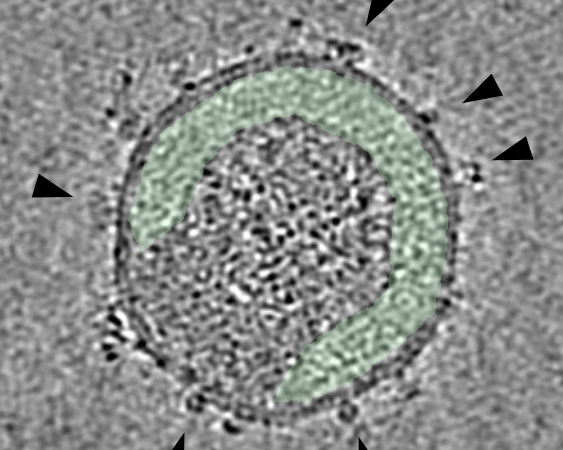
Visualising HIV entry one virus at a time
This project explores how HIV enters human cells by studying proteins on the virus surface and how they work together. Using advanced imaging, we observe how these proteins move and cluster.
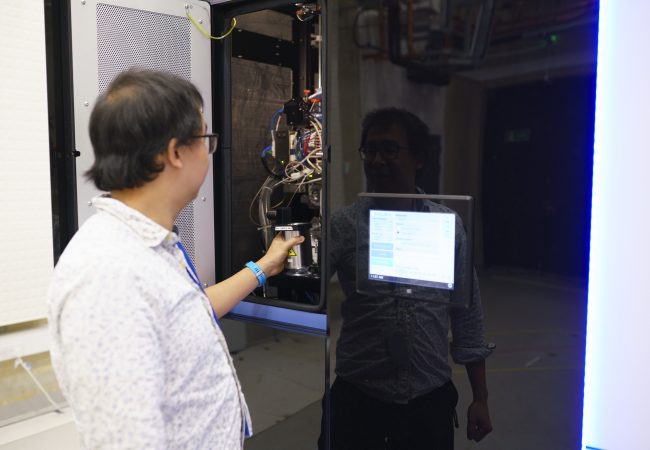
Experimental automation
We integrate in situ structural biology, computer vision and research software engineering to develop imaging feedback–driven workflows for advanced microscopy. Our goals are to make high-resolution structural methods faster, more robust and accessible.
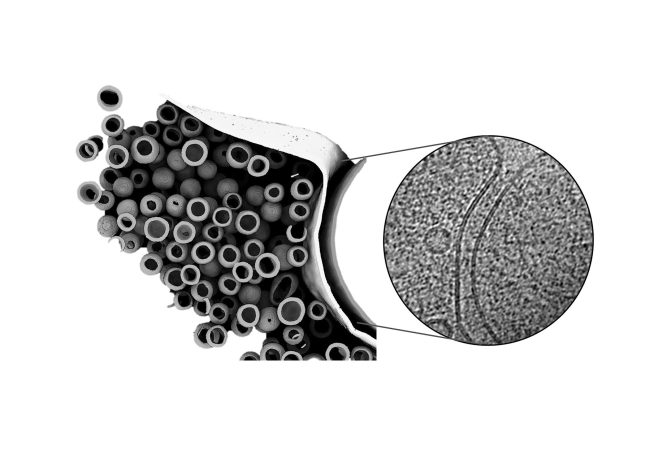
Structural neurobiology
Developing cutting edge techniques to image structures in the brain on the molecular scale so we can identify early structural changes leading to disease onset.
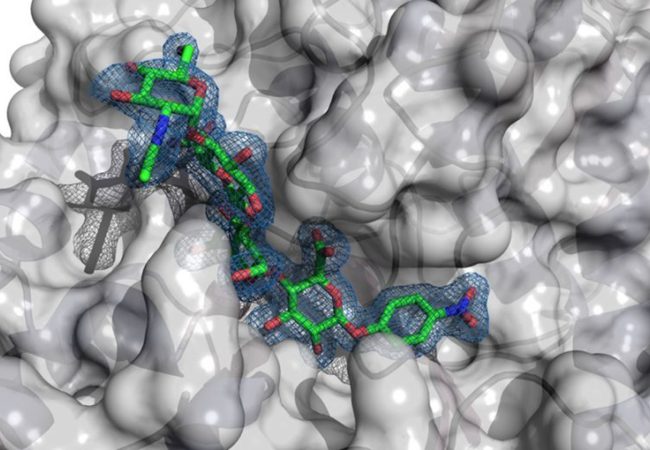
Structural glycobiology
Complex carbohydrate molecules are essential for life. These diverse structures are found on every human cell and participate in a huge range of structural and signalling functions within cells, and between cells and the extracellular matrix.
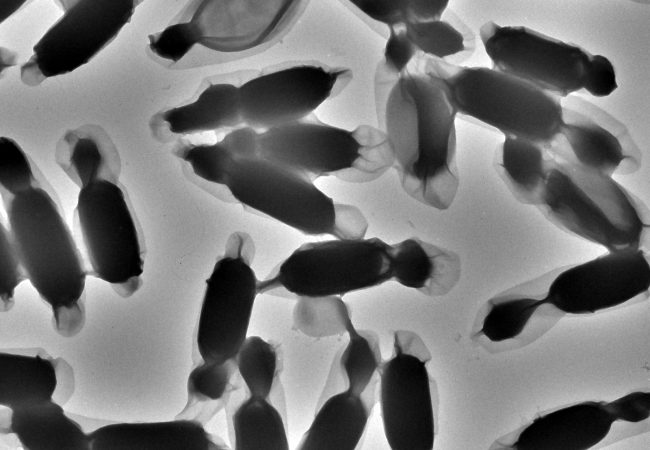
Cryo-ptycho-tomography
Developing a novel technique using cryo-electron ptychography to perform tomographic characterisation of biological processes at cellular scales, enabling detailed study of rare and complex structures in their native environments.
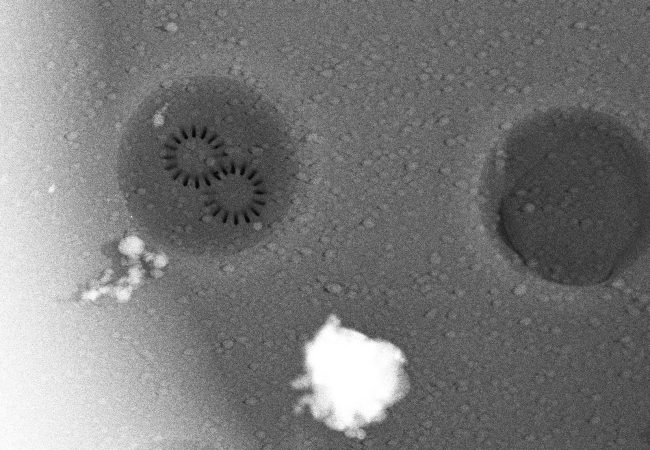
Biochemical microscopy for imaging across molecular scales
Developing a transformative cryogenic 3D biochemical microscope, harnessing the power of high-resolution electron microscopy and mass spectrometry imaging
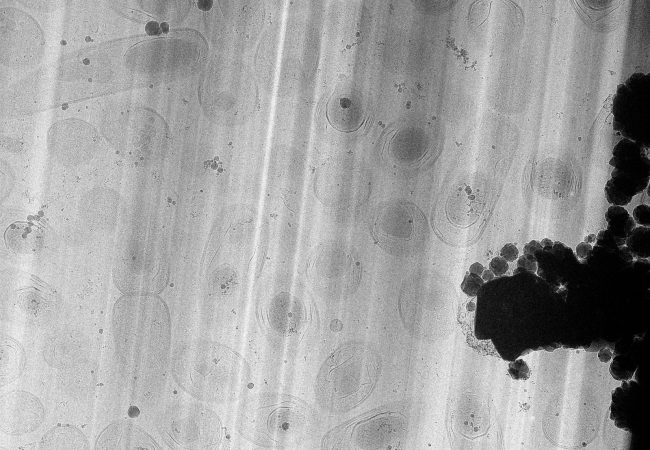
Large Volume Tomography
High resolution large volume tomography with electron microscopy has the potential to transform our understanding of life, by linking the atomic and molecular structure of protein complexes in their biological context – the cell.
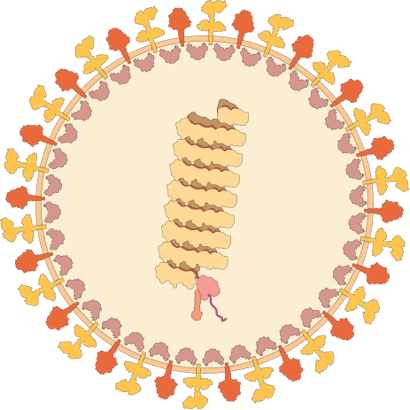
How Pathogens Interact with Human Cells
Our aim: To discover new ways of detecting, preventing and combatting human infectious diseases by discovering the mechanisms by which viruses and bacteria interact with human cells and tissues.
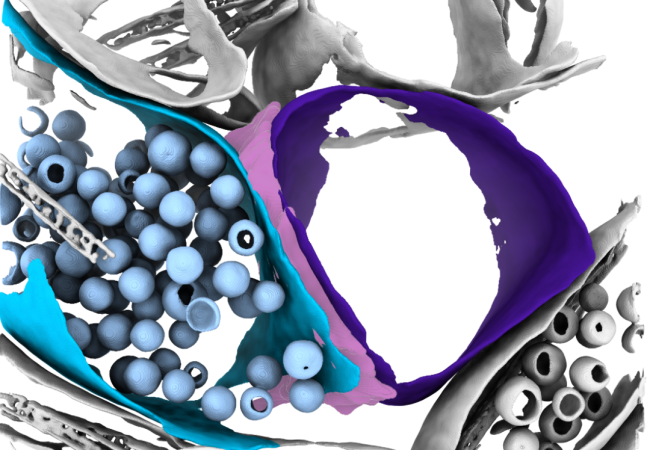
Emerging Interest Area: Structural Cell Pathology
The Franklin’s Emerging Interest Areas are developing areas of research led by our talented emerging leaders. These areas align with the Franklin’s mission of accelerating life science discovery and improving human health.