
Nanobodies
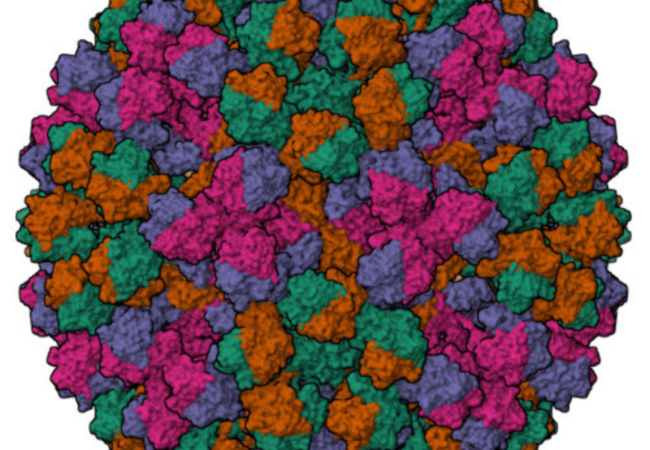
Applying artificial intelligence to accelerate the discovery of anti-viral nanobodies
Nanobodies are single domain antibodies derived from the unique heavy chain only immunoglobulins of camelids. Their rapid generation is important for pandemic preparedness as they can be used in diagnostic tests. We will use machine learning tools to accelerate the discovery of nanobodies to norovirus, which causes stomach flu.
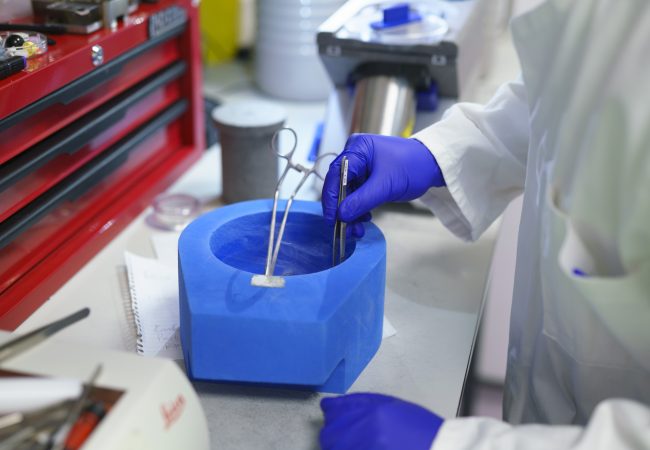
Defining how coronaviruses enter and traffic in cells
Initial interactions between viruses and cells determine the course of infection. We are applying advanced imaging and biochemical methods to map the early events during infection by the model coronavirus OC43. Our work will reveal new strategies to target viral infections, including by potential future pandemic agents.
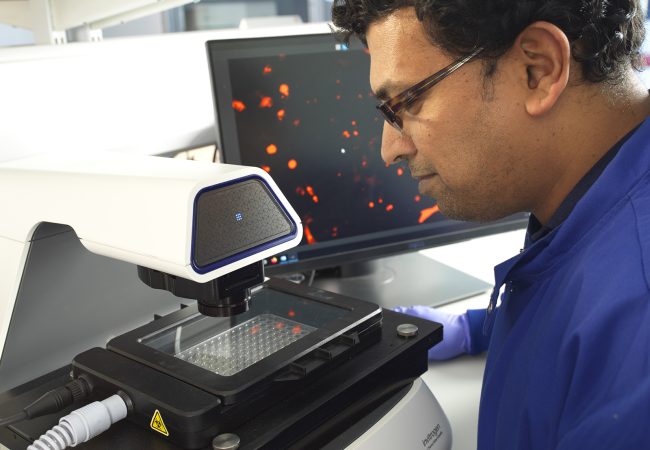
Disease X
The World Health Organisation lists Disease X (the name for a currently unknown pathogen that could cause a future epidemic) as a very serious threat to human health. To prepare for Disease X, we are building a pipeline to rapidly identify, and test nanobodies, for detecting and potentially treating future viral diseases
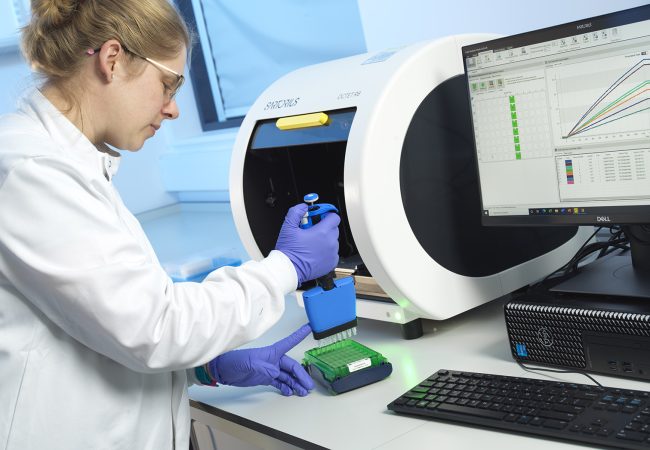
Nanobodies Discovery Platform
Nanobodies are single domain antibodies derived from the unique heavy chain only immunoglobulins of camels, llamas, and alpacas.
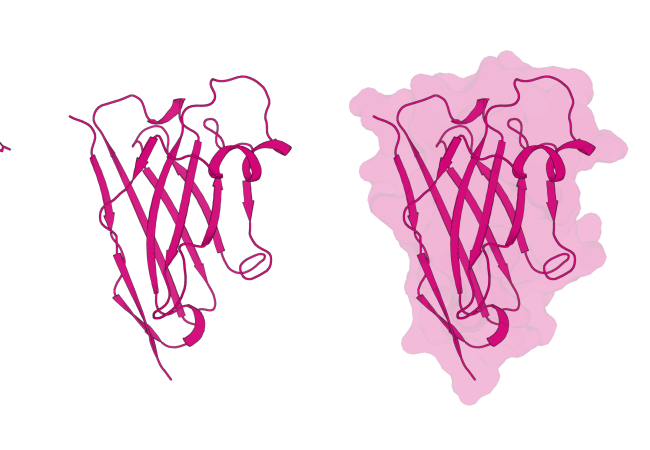
Practical course on nanobody discovery technology
Please note applications have closed for this course A five-day practical course for early-stage researchers on how to discover and engineer nanobodies – single domain antibodies derived from the heavy chain only immunoglobulins of camelids (llamas, alpacas and camels): When: 26-30 October 2026. …
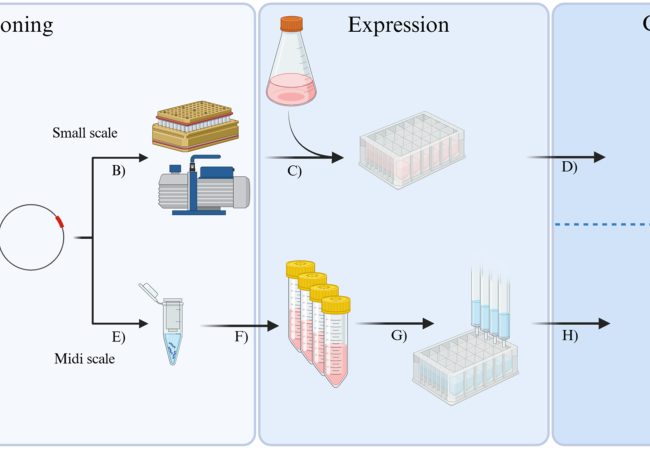
A faster route from nanobody discovery to functional testing
Researchers at the Rosalind Franklin Institute have established a faster and easier protocol to produce, test and purify large numbers of nanobodies—recombinant single-domain antibodies found in camelid species that are increasingly used in biomedical research and therapeutic development.Published in Bio‑protocol,…
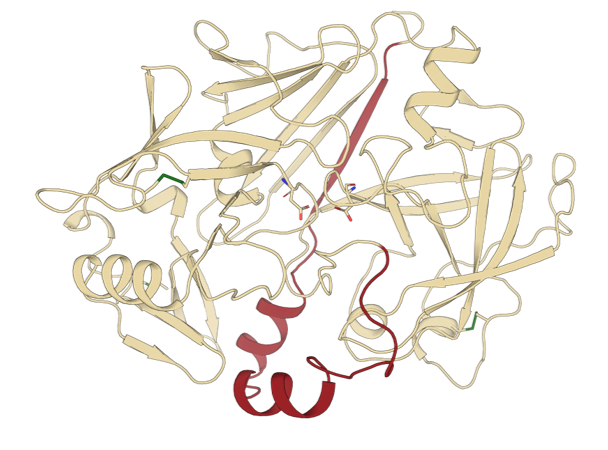
Capturing Complexity: How AntigenApp Is Transforming Nanobody Discovery at the Franklin
Researchers at the Franklin studying schistosomiasis- a neglected tropical disease affecting more than 200 million people globally- have now observed the structure of a key protein thanks to a unique blend of nanobody discovery and advanced data science. Cracking the…
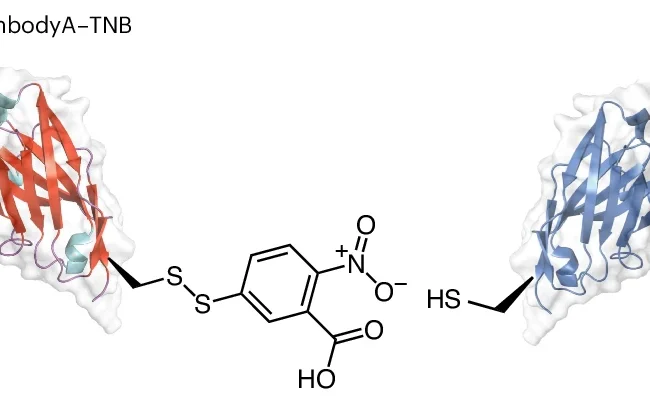
New bifunctional, bispecific nanobodies scaffold helps with small protein imaging
Researchers at the Rosalind Franklin Institute, University of Oxford, and Diamond Light Source have combined their expertise to create new scaffolding molecules to allow the electron microscopy imaging of small proteins (below 50 kDa). Using this method the team have…

AntigenApp
Web-app for managing nanobody data.