
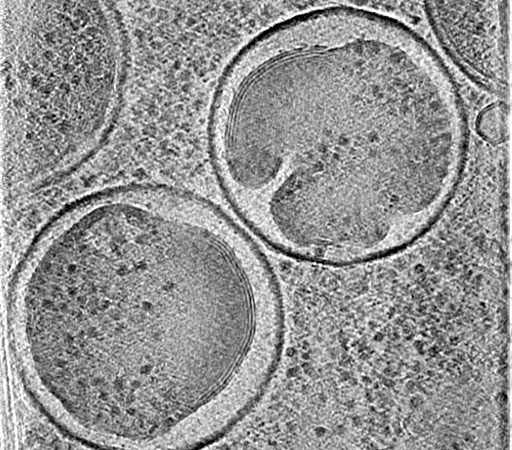
Understanding how Chlamydia adapts to life inside and outside host cells
We are studying how Chlamydia changes form to infect and survive in the body. Using advanced imaging and protein analysis, we track how its internal machinery adapts.
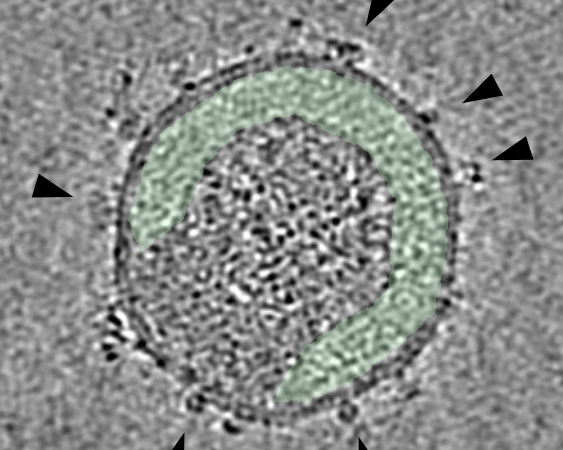
Visualising HIV entry one virus at a time
This project explores how HIV enters human cells by studying proteins on the virus surface and how they work together. Using advanced imaging, we observe how these proteins move and cluster.
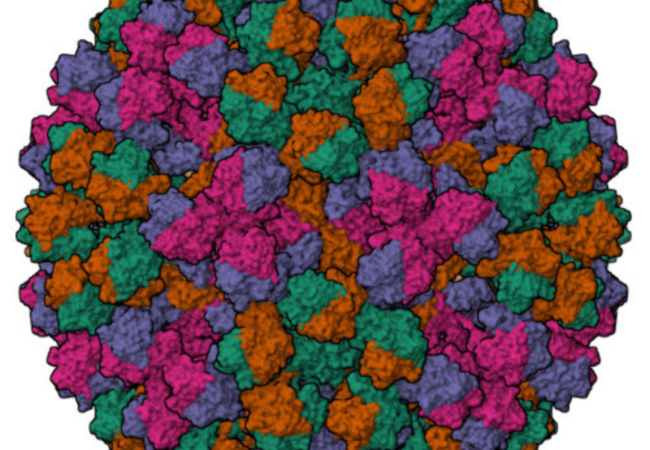
Applying artificial intelligence to accelerate the discovery of anti-viral nanobodies
Nanobodies are single domain antibodies derived from the unique heavy chain only immunoglobulins of camelids. Their rapid generation is important for pandemic preparedness as they can be used in diagnostic tests. We will use machine learning tools to accelerate the discovery of nanobodies to norovirus, which causes stomach flu.
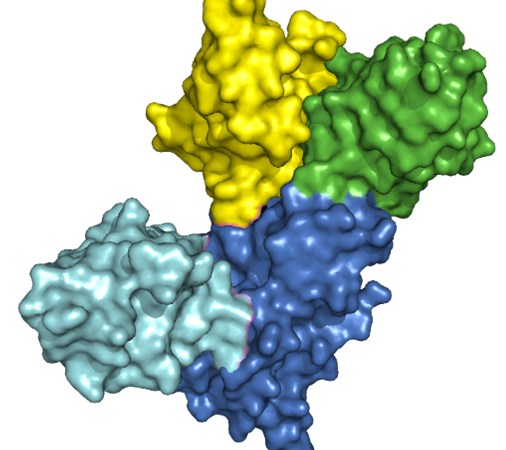
Franklin researchers demonstrate potential of llama antibodies as a treatment for SARS-CoV-2
During the Covid-19 pandemic, the Franklin team were able to generate nanobodies which are capable of neutralising SARS-CoV-2, and with partners, at UK Health Security Agency (formerly Public Health England) and the Universities of Oxford and Liverpool, were able to prove their effectiveness in an animal model when administered as a nasal spray. The team are continuing to work to produce a robust pipeline capable of creating neutralising nanobodies for novel respiratory viruses.
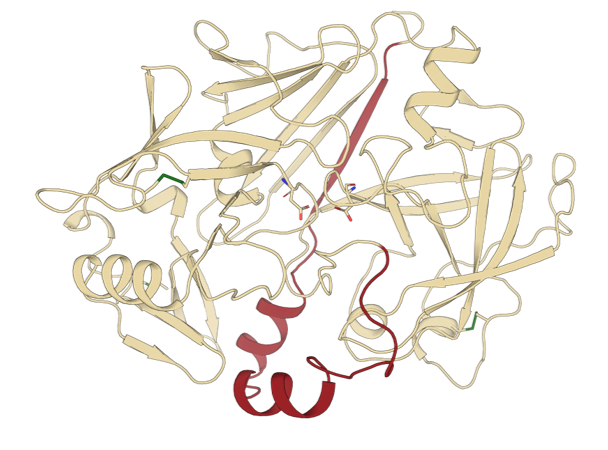
Capturing Complexity: How AntigenApp Is Transforming Nanobody Discovery at the Franklin
Researchers at the Franklin studying schistosomiasis- a neglected tropical disease affecting more than 200 million people globally- have now observed the structure of a key protein thanks to a unique blend of nanobody discovery and advanced data science. Cracking the…
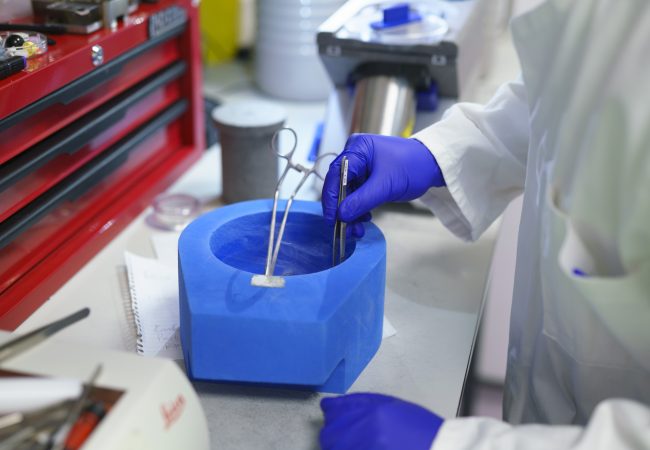
Defining how coronaviruses enter and traffic in cells
Initial interactions between viruses and cells determine the course of infection. We are applying advanced imaging and biochemical methods to map the early events during infection by the model coronavirus OC43. Our work will reveal new strategies to target viral infections, including by potential future pandemic agents.
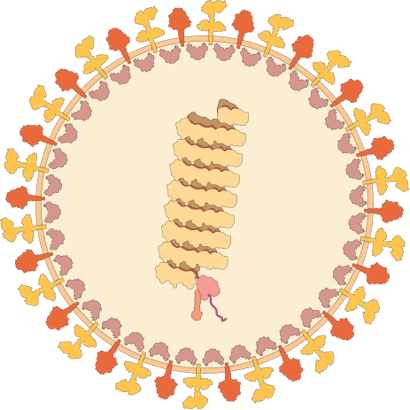
How Pathogens Interact with Human Cells
Our aim: To discover new ways of detecting, preventing and combatting human infectious diseases by discovering the mechanisms by which viruses and bacteria interact with human cells and tissues.
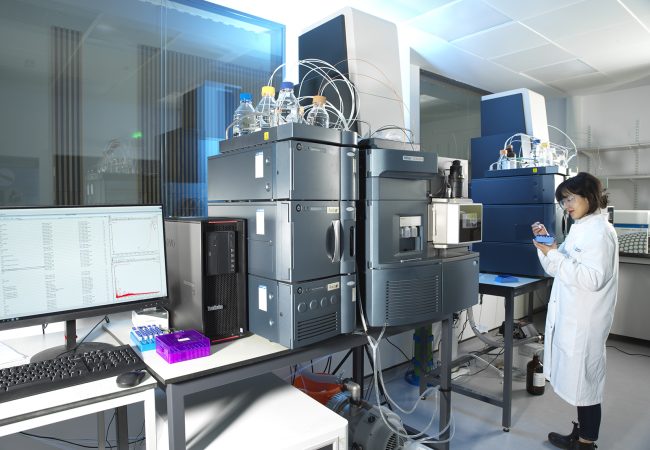
Mechanistic Proteomics
Proteins are the workhorses of living cells. Proteins operate in a highly dynamic environment interacting with other proteins and other types of molecules including sugars, lipids and nucleic acids.

AntigenApp
Web-app for managing nanobody data.
Biotech deal paves way for new COVID-19 treatments and more
The Franklin’s first licensing agreement – with US-based IntegerBio – advances its pioneering nanobody technology with industry.