
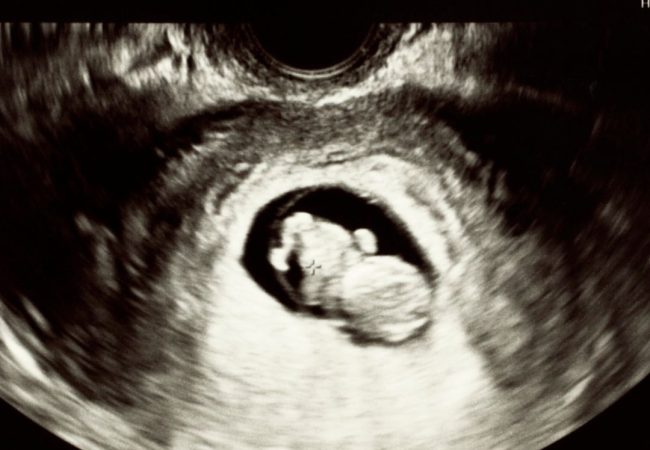
Smarter Ultrasound, Safer Births: The Science Powering Next‑Generation Pregnancy Monitoring
A leading cause of stillbirth is a failure of oxygen delivery to the baby. However, current tests cannot directly assess fetal oxygenation, which can lead to mistimed interventions because clinicians do not have access to all the information they need.…
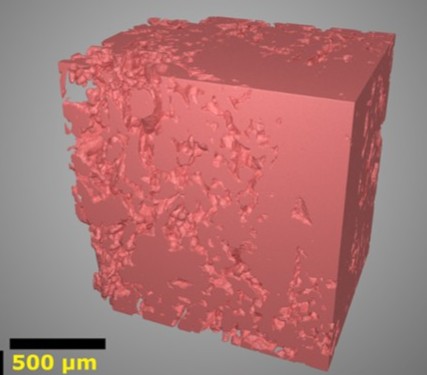
A novel technology for creating 3D images of the placenta’s blood system and understanding its role in high-risk pregnancies
Franklin researchers have developed AI tools able to automatically label different elements of 3D images of human placenta biopsies. With support from a multi-institution collaboration including the Franklin, the researchers created 3D models of the blood vessels within placenta and identified structural features that could limit the transfer of oxygen and nutrients between mother and baby. The team are integrating these models with ultrasound and maternal clinical data to data show how changes in placental structure impact pregnancy conditions including pre-eclampsia, hypertension, maternal diabetes and fetal growth restriction. Based on this experience, the team is creating a tool to help doctors better manage high risk pregnancies to prevent stillbirth.
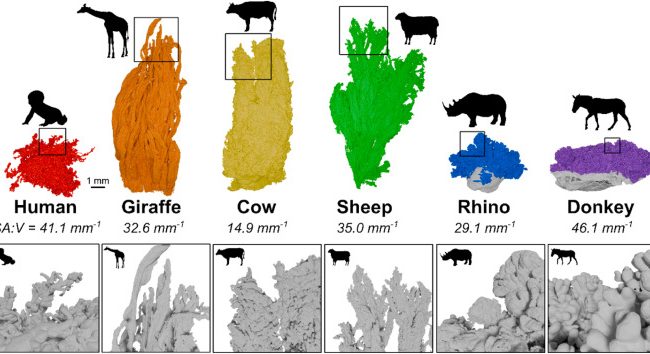
From mice to rhinos: Combining imaging techniques to quantify 3D mammalian placentas
A cross disciplinary collaboration led by the University of Southampton with researchers at the Rosalind Franklin Institute demonstrates the power of a multi-scale, multi-modal approach to imaging and quantifying aspects of placental structure across mammals of vastly different sizes, ancestries…

Crowd-powered research
We have developed open-source tools to support the aggregation, visualisation, and analysis of citizen science data, and shown that citizen science can produce valuable annotations for training and finetuning models for complex 3D biological imaging datasets.
Over 18,000 registered volunteers have contributed 3.49 million classifications to Franklin citizen science projects, totalling 18,000 hours of human effort since 2020. This has accelerated algorithm development, reduced individual effort through aggregation of multiple annotators, and supported public engagement and public participation in Franklin research.
These “Science Scribbler” projects have been showcased at 4 open days, 3 science festivals, and over 50 school workshops. Taking part in these events gives visitors a chance to connect with and contribute to imaging science.
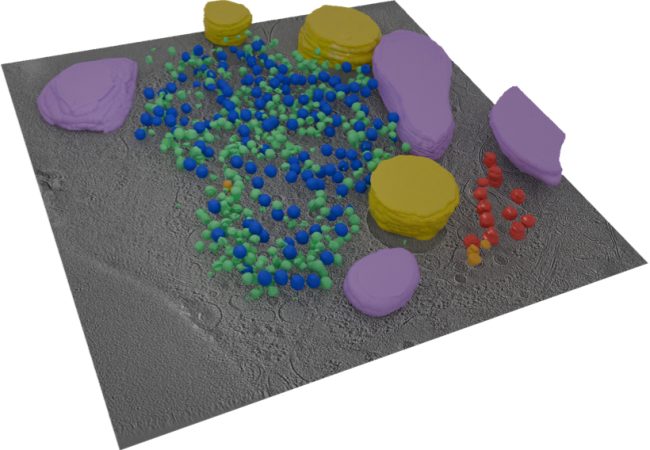
Quantitative Biology Across Scales
Our aim: To combine innovative imaging techniques and AI to extend imaging scales from cells to tissues and organs to transform clinical practice.
Michele Darrow
Michele earned her PhD from Baylor College of Medicine, where she applied cryo electron tomography and cryo soft X ray tomography to investigate protein misfolding disorders. After postdoctoral work developing cryo-soft X-ray imaging and associated correlative imaging and image analysis…
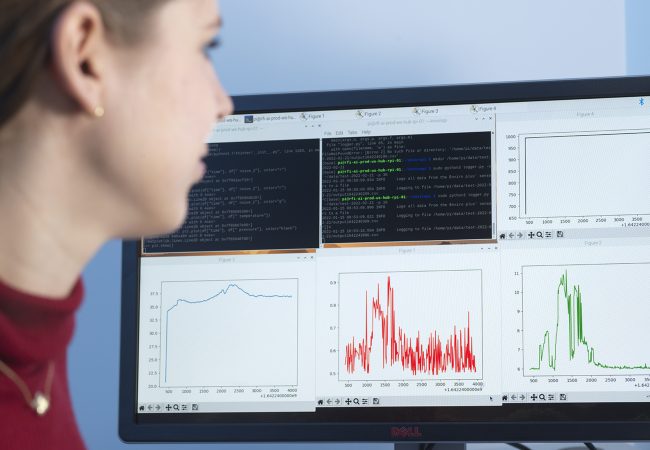
Using artificial intelligence to understand stillbirth
Researchers in the Rosalind Franklin Institute’s Artificial Intelligence (AI) and Informatics theme are collaborating on a bold international programme to find ways to reduce stillbirth rates by half in just three years.
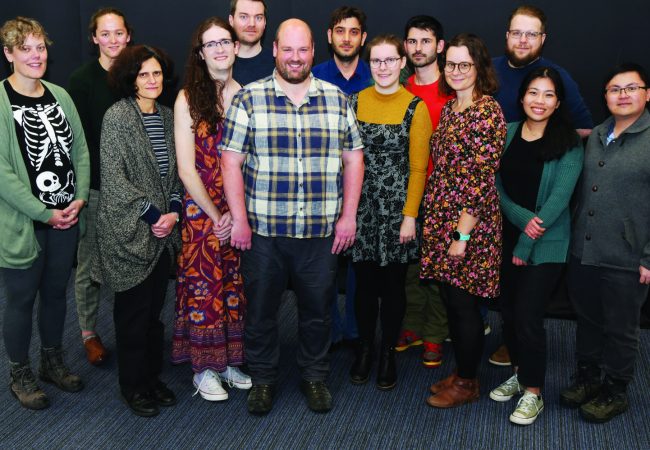
Harnessing the power of citizen scientists
The Rosalind Franklin Institute’s Artificial Intelligence and Informatics (AI&I) theme and imaging teams are working with citizen scientists on a range of projects.
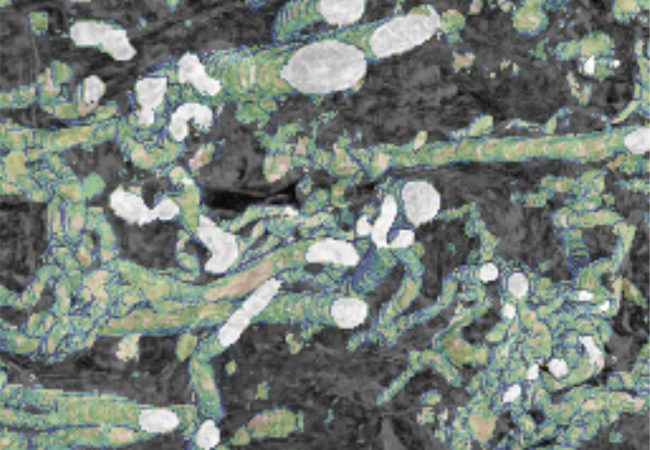
In Utero
Stillbirth is the result of varied processes taking place within both the mother’s and baby’s organs during pregnancy – a time of rapid changes.
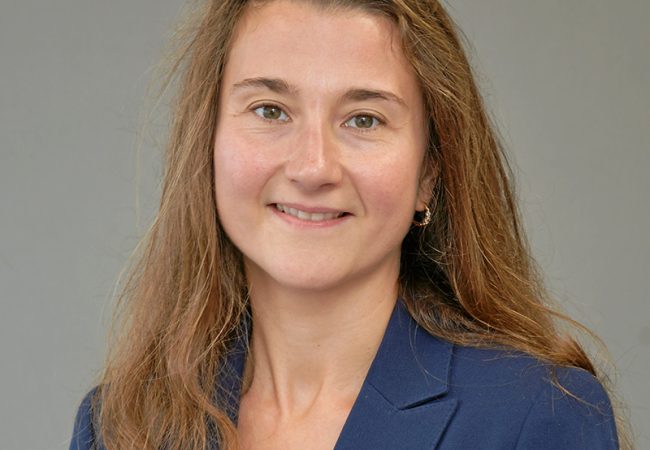
Maud Dumoux
Maud has a PhD in immunology from Paris 7 Diderot. Prior to working at the Franklin, she worked at the Institute of Structural and Molecular Biology and Diamond light source. She is interested in the development of imaging modalities and…