
Nanobodies Discovery Platform
Nanobodies are single domain antibodies derived from the unique heavy chain only immunoglobulins of camels, llamas, and alpacas.
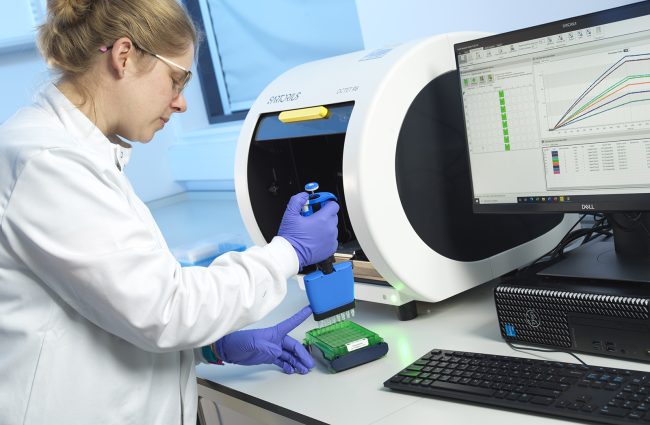
Their small molecular size, high affinity and stability combine to make them unique targeting reagents with multiple applications in the biomedical sciences, including super-resolution microscopy and non-invasive imaging.
In structural biology, the use of nanobodies has been transformative enabling the analysis of complex macromolecules including integral membrane proteins.
At the Franklin we have streamlined the generation and characterisation of nanobodies and are applying the technology to the diagnosis and treatment of emerging viral pathogens.
Future developments will focus on the application of machine learning to the engineering of nanobodies to improve affinity and predicting binding epitopes.
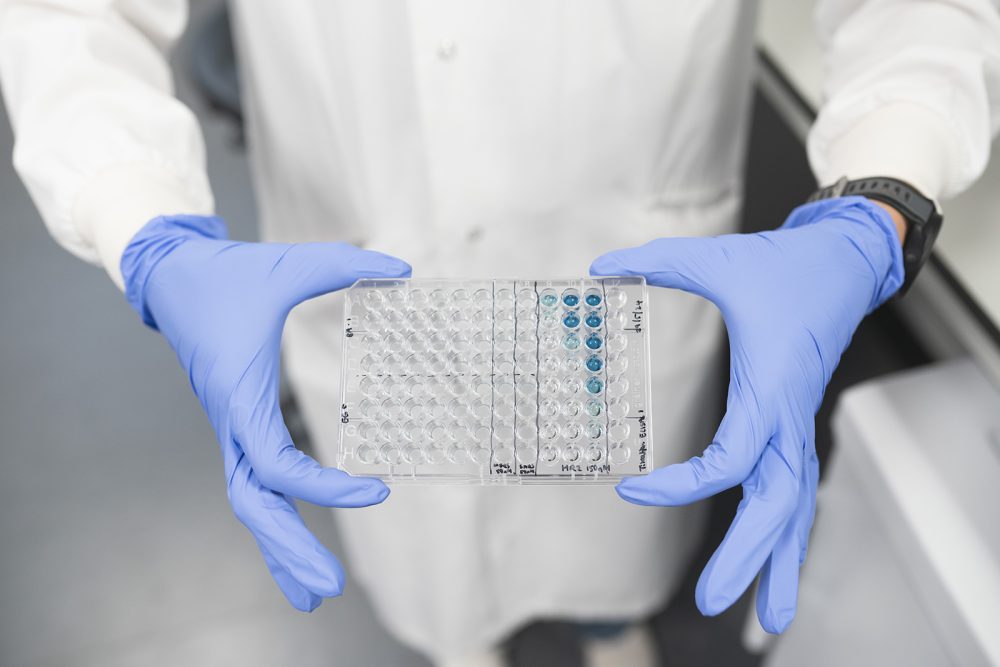
For details of our nanobody protocols go to https://bio-protocol.org/e4962
We have also worked with our colleagues in Advanced Research Computing to create AntigenApp. AntigenApp is a web application which functions both as a database and specialised bioinformatics platform for nanobodies. Find out more about AntigenApp and how to use it here.
Through collaborative projects we aim to increase access to nanobodies for the UK research community.





Disease X
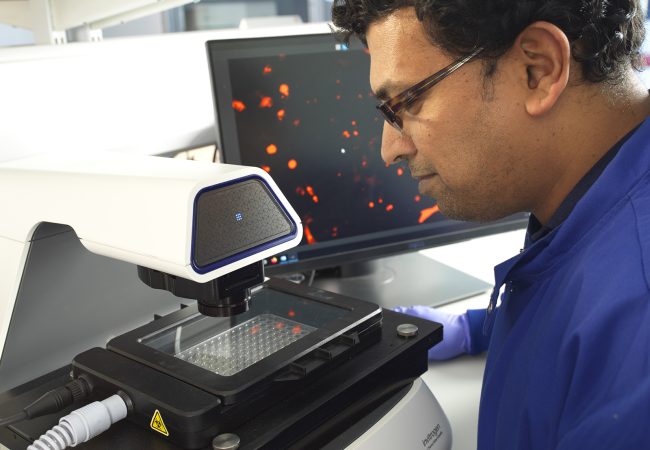
The World Health Organisation lists Disease X (the name for a currently unknown pathogen that could cause a future epidemic) as a very serious threat to human health. To prepare for Disease X, we are building a pipeline to rapidly identify, and test nanobodies, for detecting and potentially treating future viral diseases
Defining how coronaviruses enter and traffic in cells
Coronaviruses are a major source of respiratory infections within the human population. Recent years have seen 3 major coronavirus outbreaks (SARS, MERS, SARS-CoV2), with several other strains causing endemic seasonal colds. A substantial zoonotic reservoir of coronaviruses exists within wild…
Contact information