
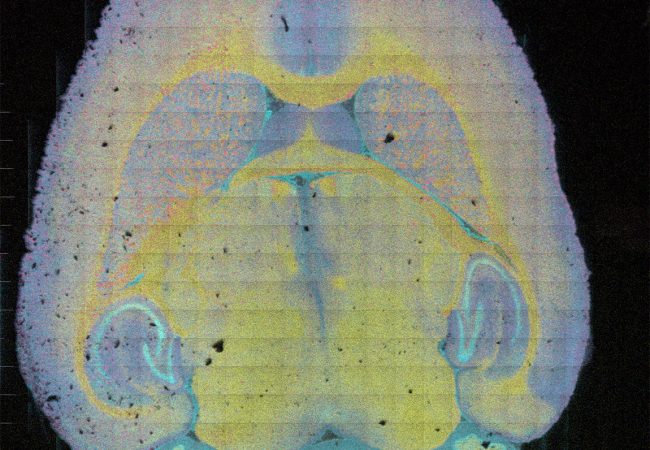
Using mass spectrometry imaging to understand metabolic mechanisms of disease
Working with industry and academic partners, we are developing secondary ion mass spectrometry (SIMS) as a technique to study highly detailed biomolecular information at cellular level. This is allowing us to study cellular health, from metabolism to energetics, in greater detail and resolution than before.
This instrumentation is now fully operational at the Franklin and is already being used by researchers in the UK and internationally to understand how disease begins and progresses. This includes research to understand the early biological changes in Alzheimer’s disease and motor neurone disease, and in an international piece of research to understand cell death in psoriasis.
Identifying the biological changes that lead to disease will give the foundations to develop pioneering new treatments in future.

Helen Cooper
Helen J. Cooper is Science Director and Challenge Lead for Integrated Chemical Imaging in Cells and Tissues at the Franklin, and Professor of Mass Spectrometry in the School of Biosciences at the University of Birmingham. She undertook her BSc in…
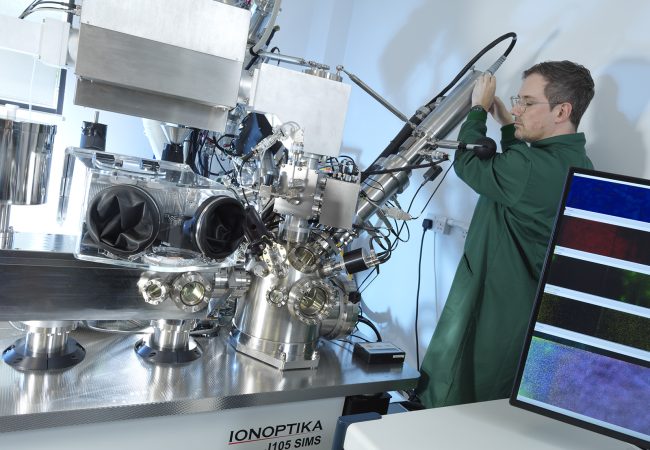
New stigmatic imaging prototype shows benefits of academic-industry partnering
The University of Oxford’s Department of Chemistry is presently home to one of our most exciting prototype technologies, the newly designed stigmatic imaging mass spectrometer.
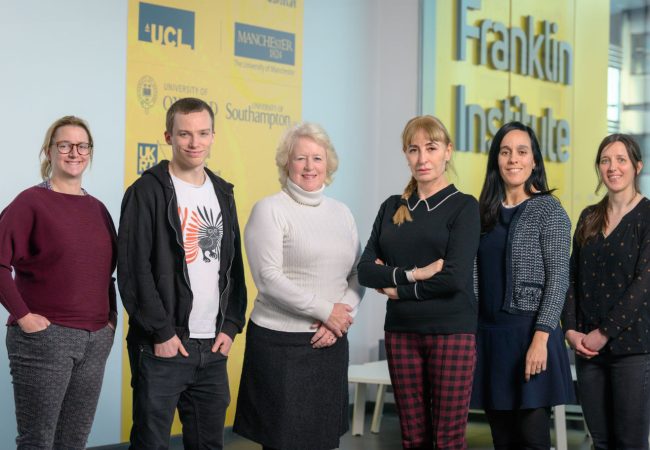
Detecting the tiny peptide that could transform Alzheimer’s disease diagnosis
Preventing the gradual cognitive decline associated with Alzheimer’s disease is at the heart of research efforts to find new treatments.
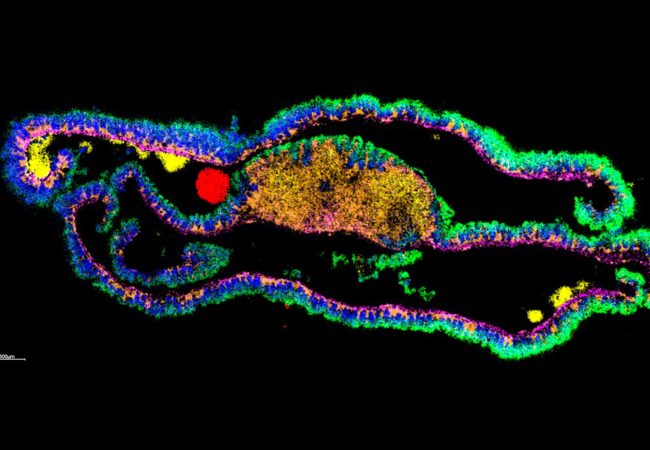
Subcellular Imaging
Next generation MS instrumentation will enable rapid molecular mapping of cells in tissue enabling elucidation of the chemistry behind biological mechanisms.
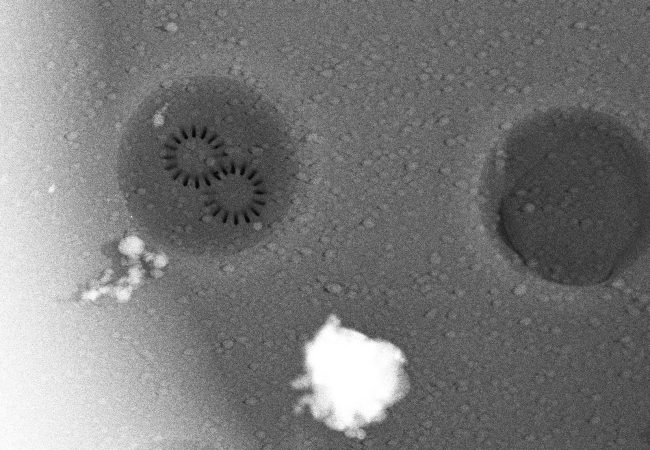
Biochemical Microscopy for imaging across Molecular Scales
Developing a transformative cryogenic 3D biochemical microscope, harnessing the power of high-resolution electron microscopy and mass spectrometry imaging

3D Protein Atlas of Brain
Native ambient mass spectrometry (NAMS) is an emerging technology which offers unprecedented potential for integration of spatial and structural biology – it promises major advances in molecular pathology and drug discovery.
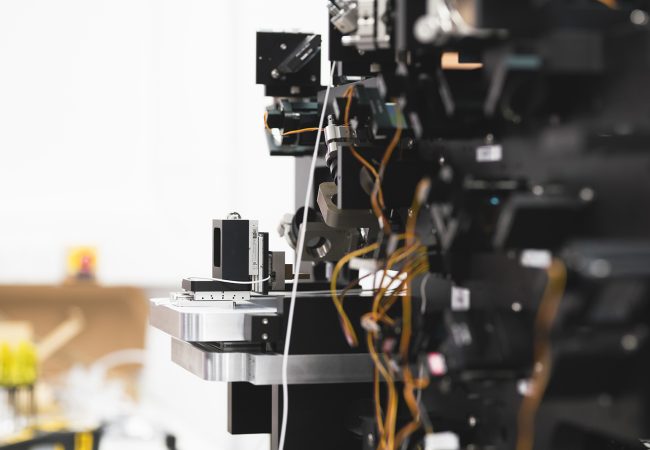
Biophotonic Correlative Optical Platform
Biophotonic Correlative Optical Platform (BioCOP) is the UK’s first multimodular optical microscope for high-performance imaging of biological samples across multiple length- and timescales.
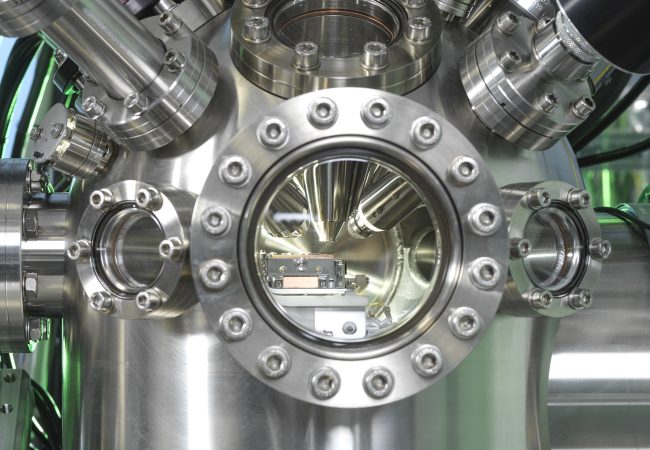
High Resolution imaging with secondary ion mass spectrometry (SIMS)
Secondary Ion Mass Spectrometry (SIMS) is a highly sensitive analytical technique offering detailed chemical composition analysis in 3D space with subcellular resolution.
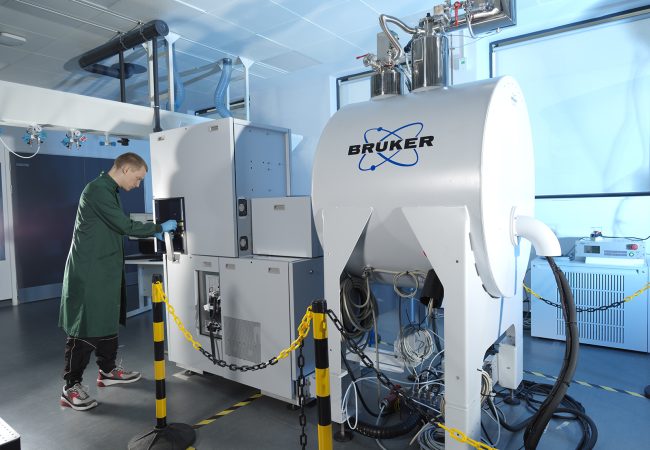
Trapped ion mobility (TIMS) time of flight (TOF) mass spectrometry
A cutting-edge commercial Bruker mass spectrometry (MS) instrument, coupling high sensitivity, high resolution, rapid time of flight (TOF) mass analysis to high resolution trapped ion mobility spectrometry (TIMS) enabling structural elucidation.