
Dr Mark Basham
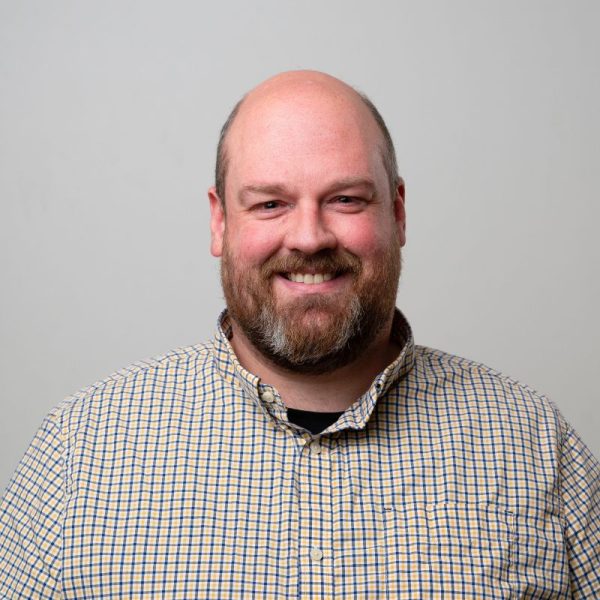
Mark’s primary research contributions have focused on the removal of barriers between computational methods, such as AI and data management, and scientific domains where they can be applied, alongside the open development of these techniques. He is a strong advocate of open source software tools that focus on the similarities between different fields rather than their differences, and in so doing, bring advances to all.
A key aspect of these collaborative projects is their inclusive nature, bringing key stakeholders to the table. Throughout his career, Mark has gathered together groups of interdisciplinary scientists and engineers, with the focus to improve the quality and efficiency of the scientific domains where impact can be achieved.
Currently Mark works closely with his colleagues around the Rutherford Appleton Laboratory campus and university collaborators on enhancing the variety of software projects critical to making the most of the revolutionary experimental setups which will be available at the Rosalind Franklin Institute.
Mark has a real passion for public engagement, he is the creator of the Lego Beamline (#legobeamline) which helps to explain how synchrotron experiments are performed, and promotes STEM with local schools and as well as many other engagement projects.
Mark was awarded his Physics PhD in surface science simulation from the University of Reading, he then moved to data acquisition and analysis of synchrotron data after working with experimental colleagues in the field.
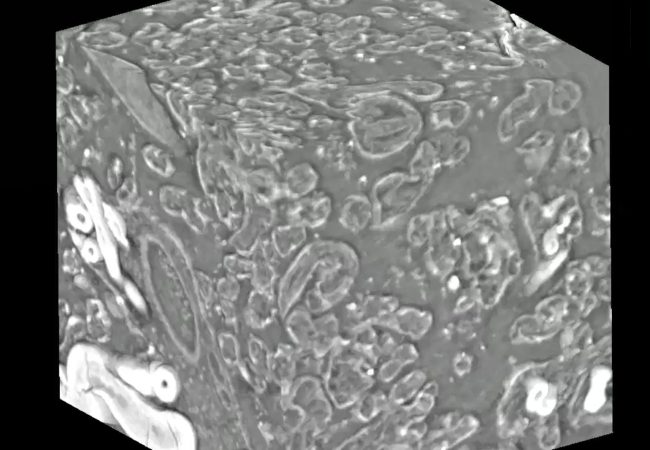
Machine Vision for Bioimaging
Many biological questions can only be answered through visualisation. Seeing is believing, however seeing something that is biologically interesting usually also requires image processing to turn that qualitative observation into quantitative information.
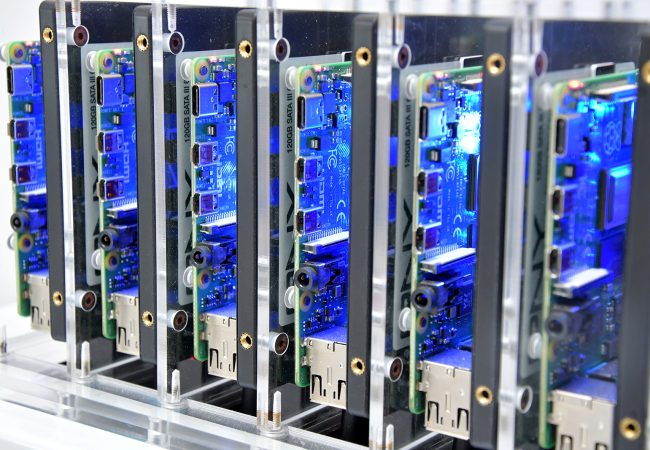
Advanced Research Computing
The Franklin develops state of the art digital infrastructure to enable cutting edge research. Our interdisciplinary research generates a variety of data structures and sizes that all need to be stored, curated and processed to give data driven insights.
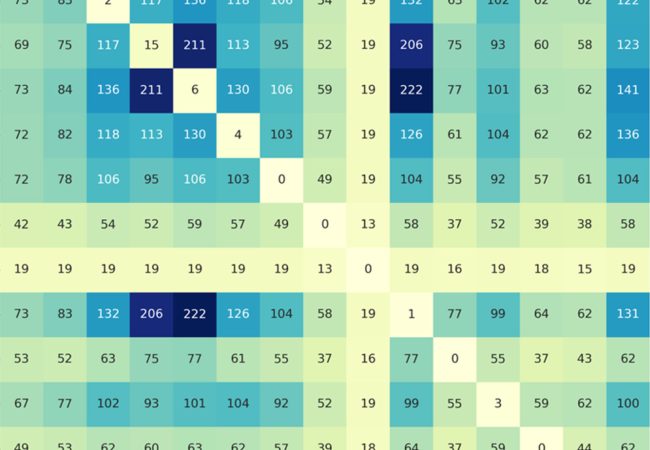
Applied Biological Data Science
How could we build cutting-edge Artificial Intelligence tools to translate biological data into scientific insights and ultimately to guide medical decision-making?
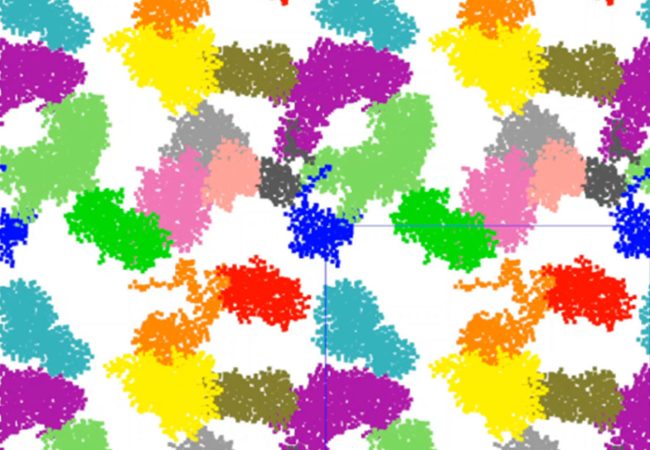
Digital Twin Cell
Creating a digital replica of a living cell enabling researchers to perform virtual experiments and gain valuable insights into cell biology.
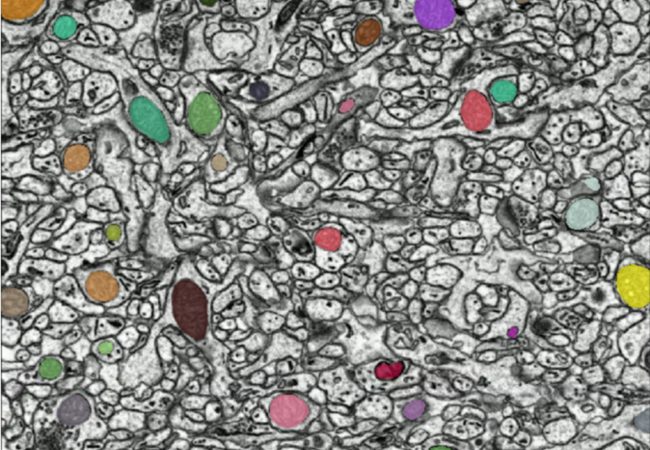
Citizen Science
People-powered research, or citizen science, is the participation of non-experts in scientific research. There are many ways to take part in citizen science, but one popular way is through the Zooniverse platform.