
AI In Biology
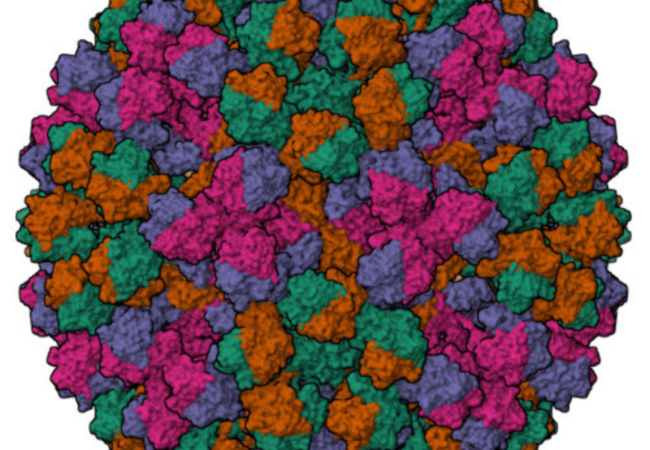
Applying artificial intelligence to accelerate the discovery of anti-viral nanobodies
Nanobodies are single domain antibodies derived from the unique heavy chain only immunoglobulins of camelids. Their rapid generation is important for pandemic preparedness as they can be used in diagnostic tests. We will use machine learning tools to accelerate the discovery of nanobodies to norovirus, which causes stomach flu.
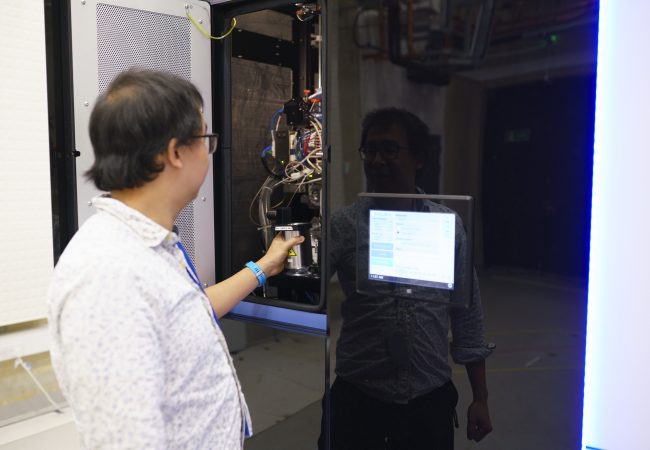
Experimental Automation
We integrate in situ structural biology, computer vision and research software engineering to develop imaging feedback–driven workflows for advanced microscopy. Our goals are to make high-resolution structural methods faster, more robust and accessible.
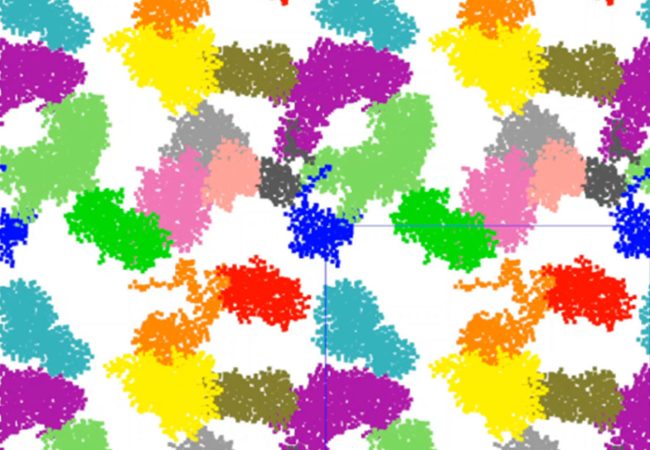
Digital Twin Cell
Creating a digital replica of a living cell enabling researchers to perform virtual experiments and gain valuable insights into cell biology.
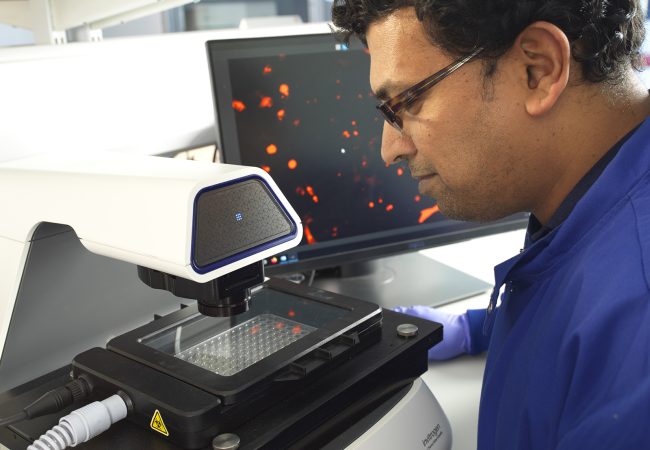
Disease X
The World Health Organisation lists Disease X (the name for a currently unknown pathogen that could cause a future epidemic) as a very serious threat to human health. To prepare for Disease X, we are building a pipeline to rapidly identify, and test nanobodies, for detecting and potentially treating future viral diseases
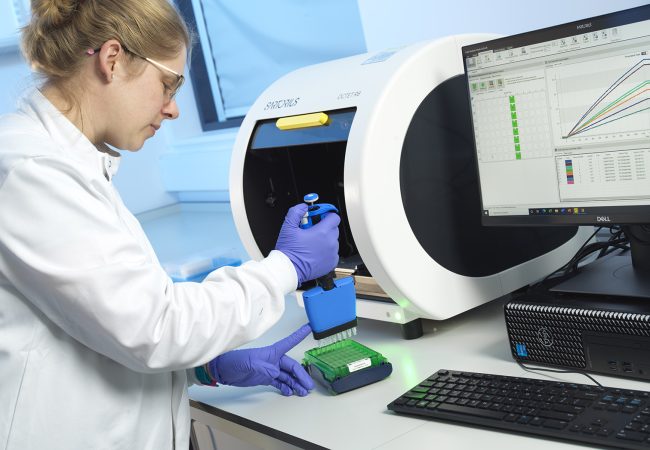
Nanobodies Discovery Platform
Nanobodies are single domain antibodies derived from the unique heavy chain only immunoglobulins of camels, llamas, and alpacas.
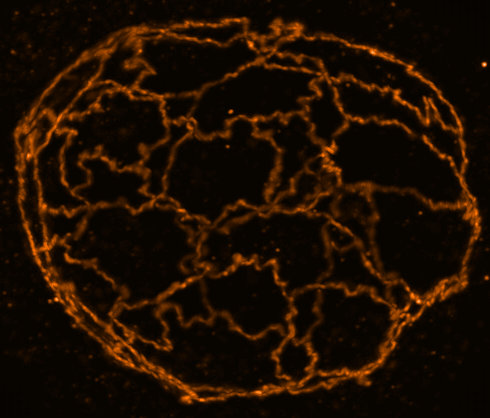
Emerging Interest Area: Cell-cell Interactions
The Franklin’s Emerging Interest Areas are developing areas of research led by our talented emerging leaders. These areas align with the Franklin’s mission of accelerating life science discovery and improving human health.
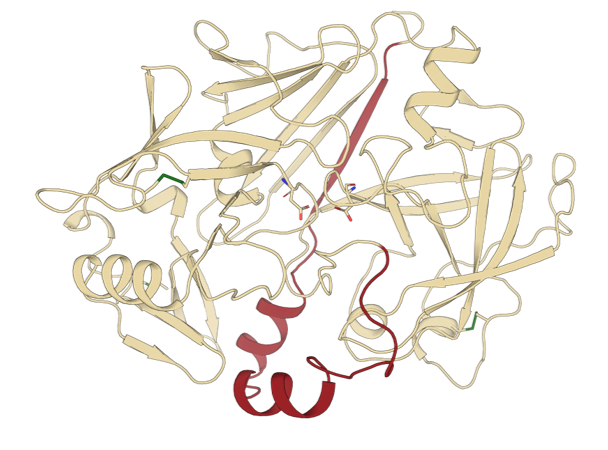
Capturing Complexity: How AntigenApp Is Transforming Nanobody Discovery at the Franklin
Researchers at the Franklin studying schistosomiasis- a neglected tropical disease affecting more than 200 million people globally- have now observed the structure of a key protein thanks to a unique blend of nanobody discovery and advanced data science. Cracking the…
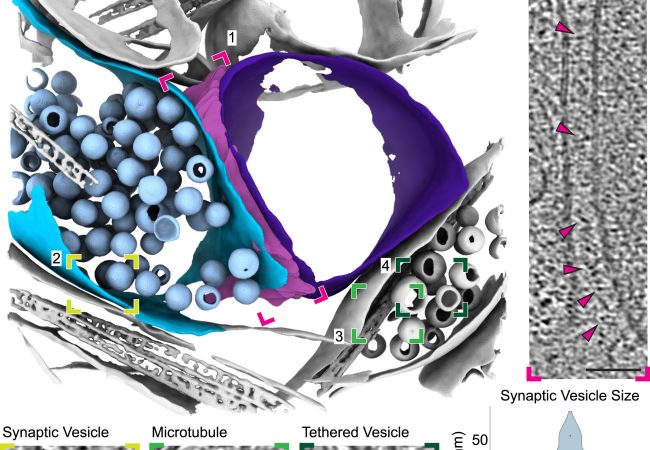
Moving from cells into tissue: a new tomography method
Researchers led by Dr Michael Grange at the Rosalind Franklin Institute have developed a robust molecular imaging workflow for brain tissue samples. Their approach utilises plasma ion beams, which increased the size of samples that could be extracted for imaging,…
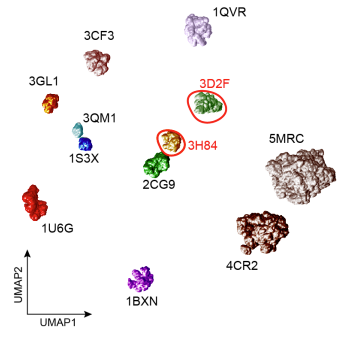
Using AI to improve the analysis of 3D biological images
Scientists have developed a new machine learning model, known as Affinity-VAE, that improves the analysis of 3D biological images in fields such as cryo-electron tomography (cryo-ET). By making use of prior knowledge about protein structures, the model can identify clusters…