
Cells
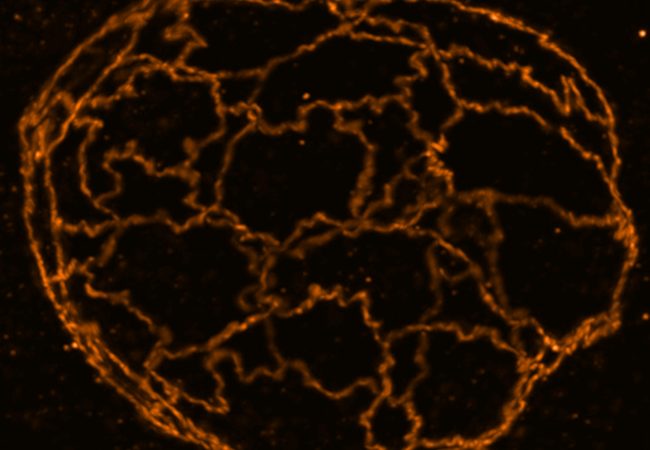
Molecular organisation of cell interfaces
Investigating the molecular assembly of cell interfaces in the epithelial tissue and in pathology of intestinal diseases.
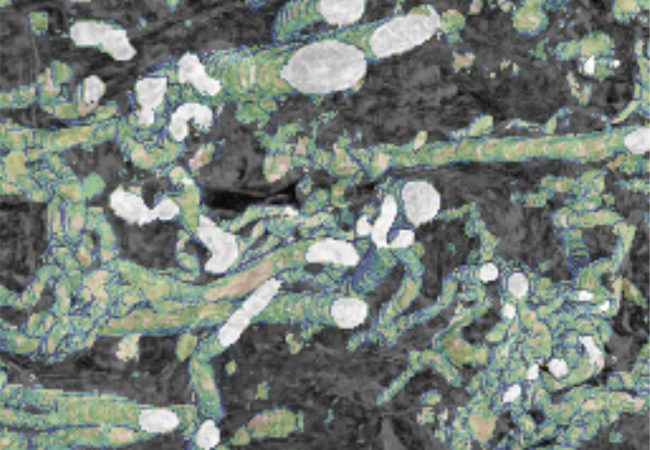
In Utero
Stillbirth is the result of varied processes taking place within both the mother’s and baby’s organs during pregnancy – a time of rapid changes.
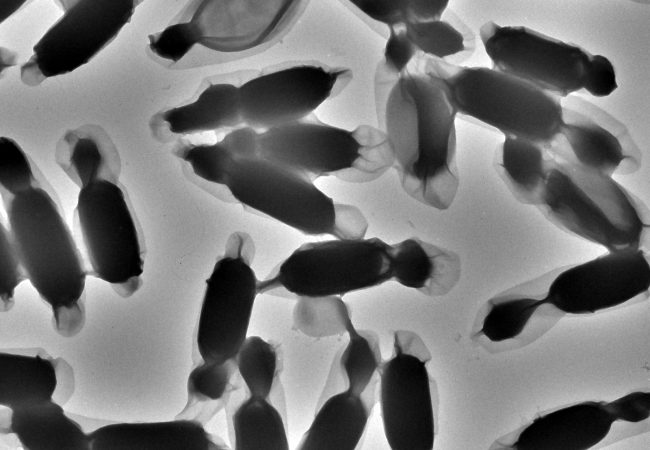
Cryo-ptycho-tomography
Developing a novel technique using cryo-electron ptychography to perform tomographic characterisation of biological processes at cellular scales, enabling detailed study of rare and complex structures in their native environments.
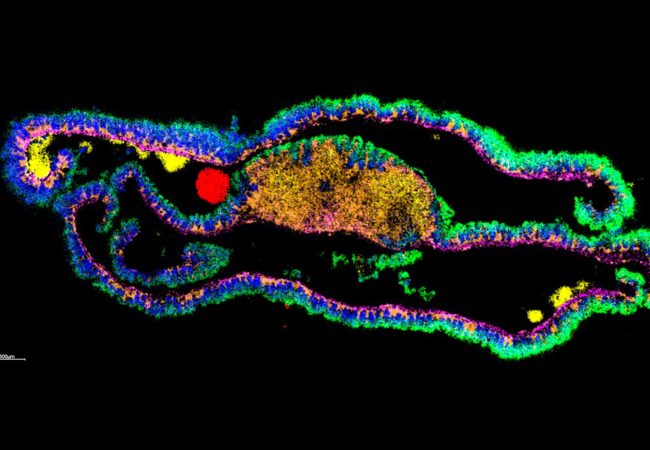
Subcellular imaging
Next generation MS instrumentation will enable rapid molecular mapping of cells in tissue enabling elucidation of the chemistry behind biological mechanisms.
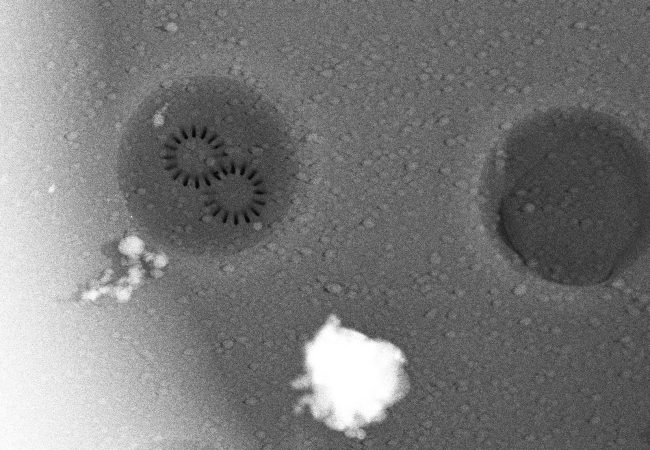
Biochemical microscopy for imaging across molecular scales
Developing a transformative cryogenic 3D biochemical microscope, harnessing the power of high-resolution electron microscopy and mass spectrometry imaging
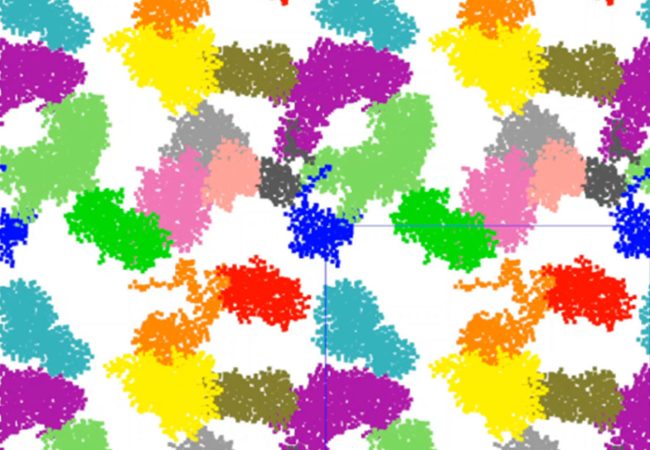
Digital twin cell
Creating a digital replica of a living cell enabling researchers to perform virtual experiments and gain valuable insights into cell biology.

3D Protein Atlas of Brain
Native ambient mass spectrometry (NAMS) is an emerging technology which offers unprecedented potential for integration of spatial and structural biology – it promises major advances in molecular pathology and drug discovery.
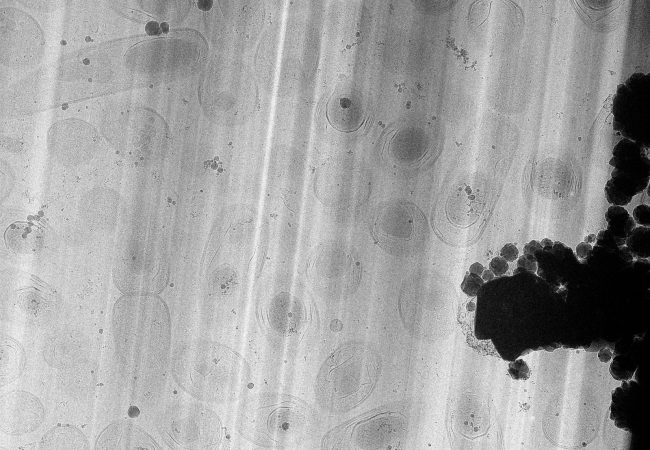
Large Volume Tomography
High resolution large volume tomography with electron microscopy has the potential to transform our understanding of life, by linking the atomic and molecular structure of protein complexes in their biological context – the cell.
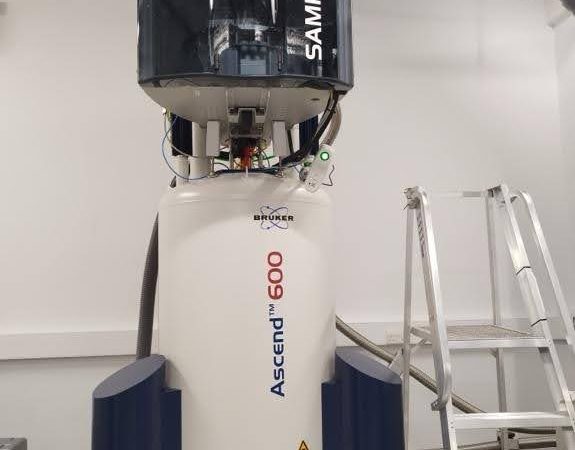
Nuclear Magnetic Resonance (NMR)
NMR spectroscopy is the only experiment that gives combined structural and dynamical information of molecules at atomic resolution, in solution. It is widely used for routine characterisation of molecules and is vital for chemical analysis.
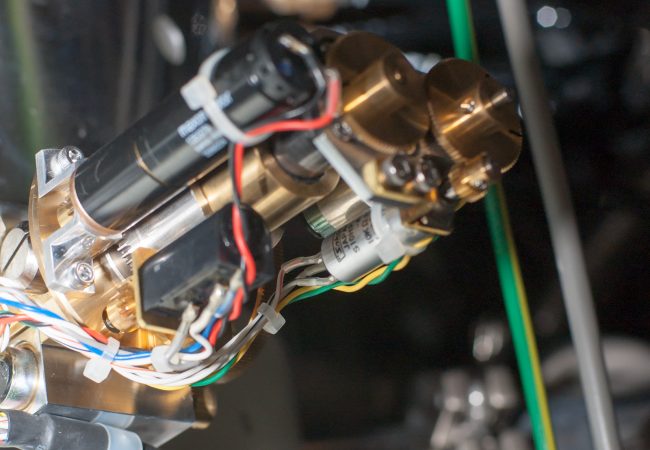
Chromatic Aberration-Corrected Electron Microscope
Knoll, the first chromatic aberration-corrected electron microscope in the UK, will push the current resolution limits for biological samples by correcting energy variations in the electron beam. This allows detailed imaging of thicker and liquid samples, benefiting biology by enabling…