
Chemical biology
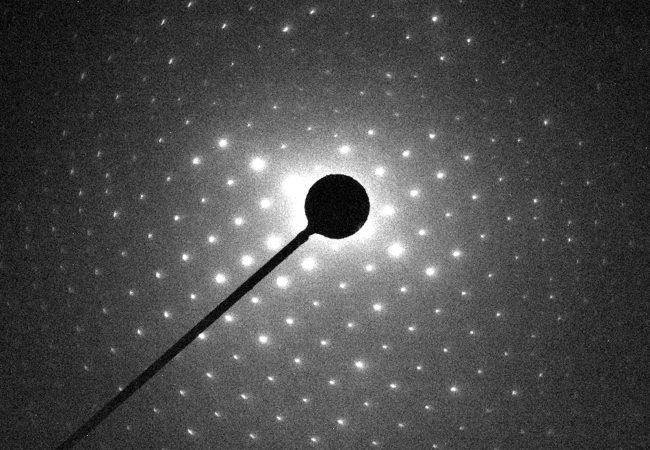
Electron diffraction
MicroED is an emerging technology that exploits the strong interaction of electrons to reveal the structures of molecules from vanishingly small crystals.
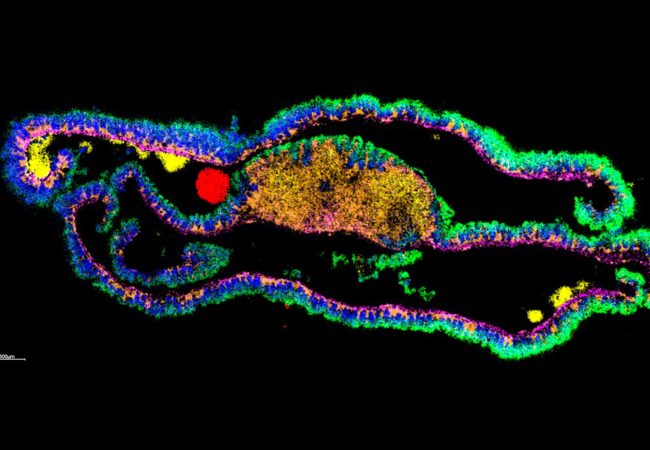
Subcellular imaging
Next generation MS instrumentation will enable rapid molecular mapping of cells in tissue enabling elucidation of the chemistry behind biological mechanisms.
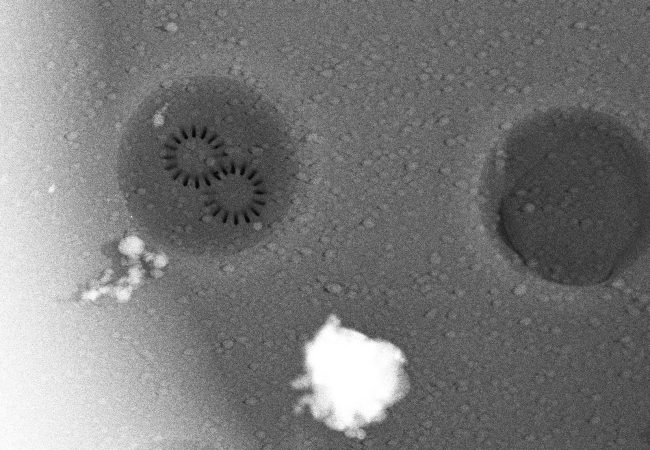
Biochemical microscopy for imaging across molecular scales
Developing a transformative cryogenic 3D biochemical microscope, harnessing the power of high-resolution electron microscopy and mass spectrometry imaging
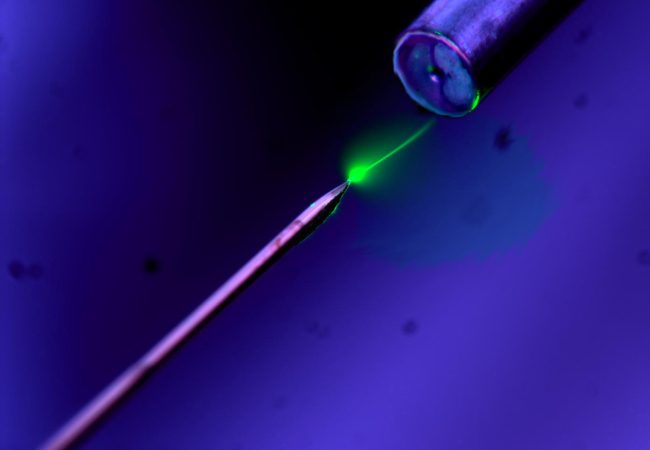
Fast Spectroscopy
We study how light can trigger changes in biomolecules to activate biological functions using different spectroscopic methods.
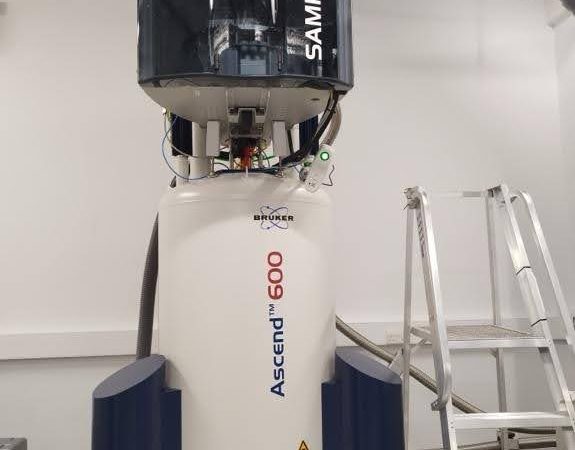
Nuclear Magnetic Resonance (NMR)
NMR spectroscopy is the only experiment that gives combined structural and dynamical information of molecules at atomic resolution, in solution. It is widely used for routine characterisation of molecules and is vital for chemical analysis.
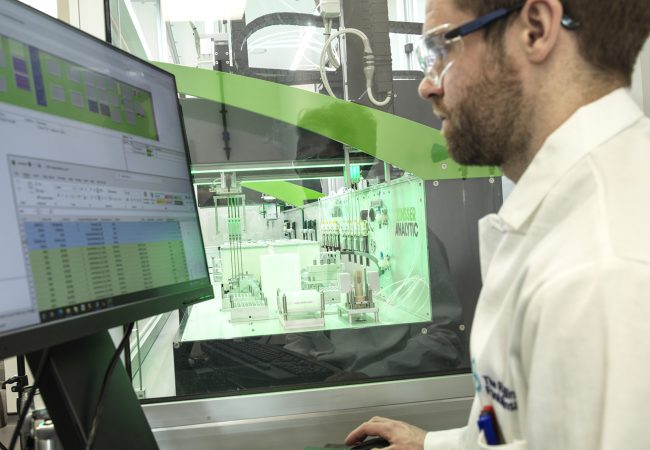
High Throughput Discovery
The High Throughput Discovery Lab aims to accelerate the discovery of novel bioactive molecules and chemistries which enable understanding, and modulation of, biomedical mechanisms.
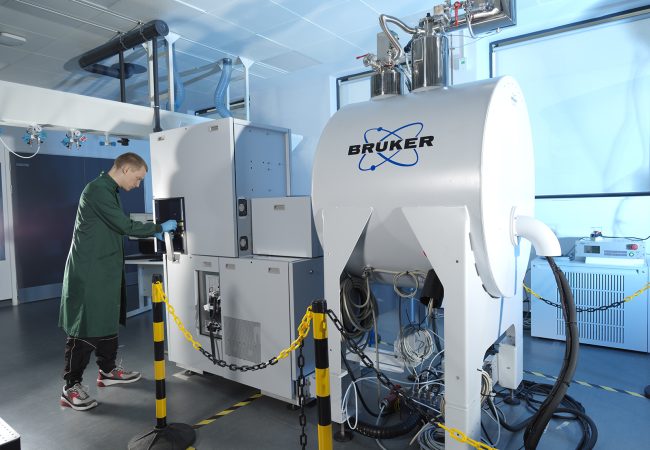
Trapped ion mobility (TIMS) time of flight (TOF) mass spectrometry
A cutting-edge commercial Bruker mass spectrometry (MS) instrument, coupling high sensitivity, high resolution, rapid time of flight (TOF) mass analysis to high resolution trapped ion mobility spectrometry (TIMS) enabling structural elucidation.
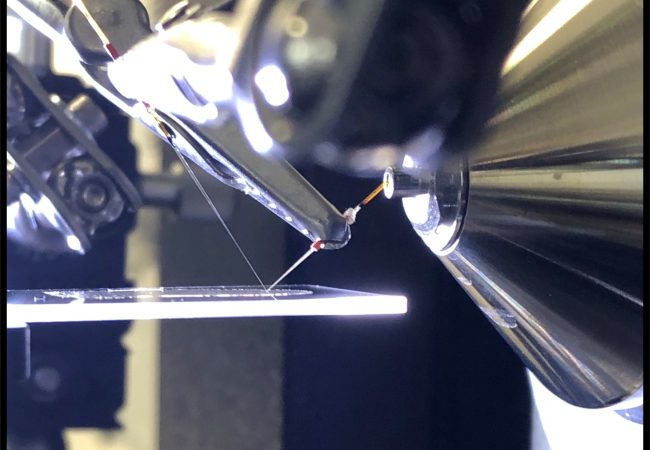
Native ambient mass spectrometry
Native ambient mass spectrometry (NAMS) combines spatial and structural biology by enabling untargeted label-free interrogation of proteins in their functional form directly from their physiological environment.
Molecular Perturbations: Chemistry Engineering Biology
Our aim: To use innovative chemistries to better understand and modulate the molecules of life.