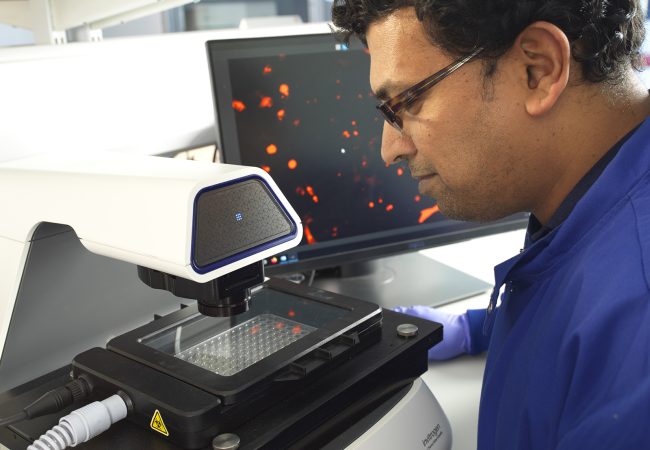
Initial interactions between viruses and cells determine the course of infection. We are applying advanced imaging and biochemical methods to map the early events during infection by the model coronavirus OC43. Our work will reveal new strategies to target viral infections, including by potential future pandemic agents.
Defining how coronaviruses enter and traffic in cells
Coronaviruses are a major source of respiratory infections within the human population. Recent years have seen 3 major coronavirus outbreaks (SARS, MERS, SARS-CoV2), with several other strains causing endemic seasonal colds. A substantial zoonotic reservoir of coronaviruses exists within wild and domesticated animals, presenting an ongoing risk for the emergence of new human disease. Lessons […]
Technical detail
Coronaviruses are a major source of respiratory infections within the human population. Recent years have seen 3 major coronavirus outbreaks (SARS, MERS, SARS-CoV2), with several other strains causing endemic seasonal colds. A substantial zoonotic reservoir of coronaviruses exists within wild and domesticated animals, presenting an ongoing risk for the emergence of new human disease. Lessons from the pandemic have highlighted the need to better understand coronavirus interaction and infection mechanisms, so that these can be targeted rapidly and effectively when the next major outbreak occurs
Here, we are studying the interactions that take place during the ‘initial’ contact of coronaviruses with host cells, particularly focussing on the betacoronavirus OC43. The receptor for OC43 has been identified as a sugar molecule – 9O-Acetyl Sialic acid, but it is not well understood how viral binding to this receptor ultimately triggers pathogenic entry into cells.
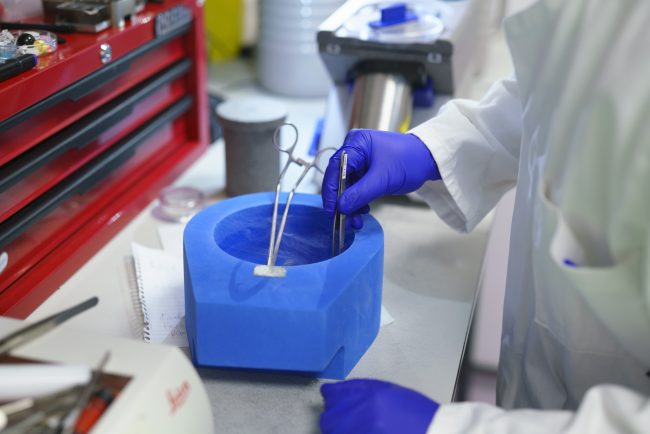
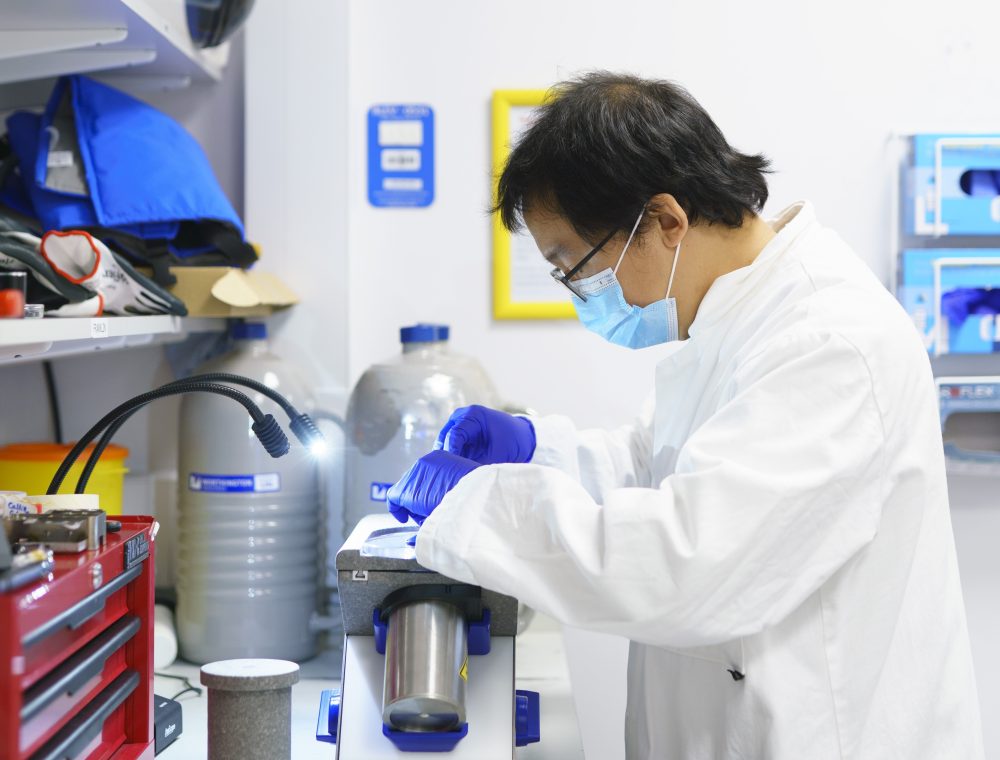
We are using advanced fluorescence and electron imaging technologies at RFI to study the initial interaction of OC43 viruses with human cells, examining how these interactions modulate both virus and host to drive infection. This effort is supported by development of new tools to track viruses in cell-culture models (with the nanobodies platform), and new chemical methods to modulate sugar receptors on host cell surfaces (with the MPCEB challenge).
By mapping OC43-host interactions, we will bring new insights into what these binding events look like, and how they lead to disease. Understanding this process will reveal new routes to combat not only OC43, but also future pandemic agents.
Project Team


Platforms
Contact information

PhD Studentships
Applications now open