
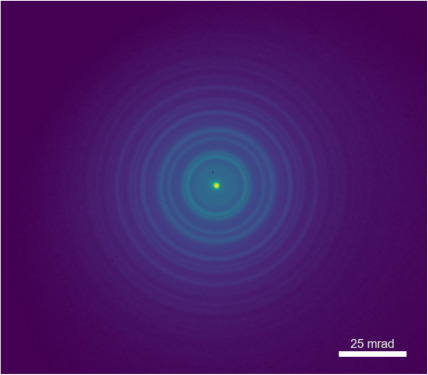
Putting the latest Quantum Detectors camera to the test
The Rosalind Franklin Institute and University of Oxford researchers have been working with UK SME, Quantum Detectors, to test the performance of their latest detector – the Merlin T4. “The value of working in partnership with the Rosalind Franklin Institute…
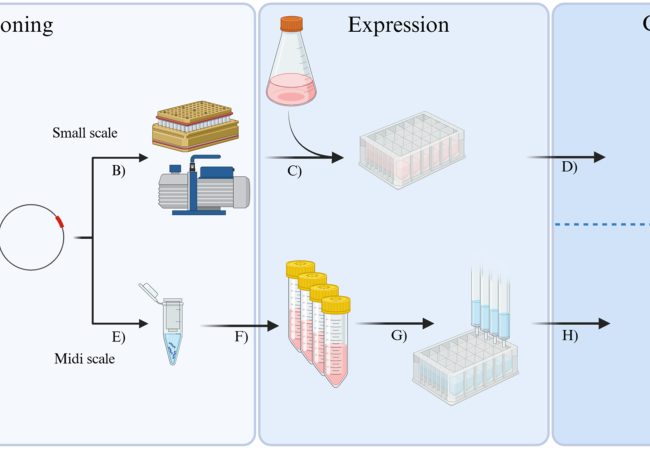
A faster route from nanobody discovery to functional testing
Researchers at the Rosalind Franklin Institute have established a faster and easier protocol to produce, test and purify large numbers of nanobodies—recombinant single-domain antibodies found in camelid species that are increasingly used in biomedical research and therapeutic development.Published in Bio‑protocol,…
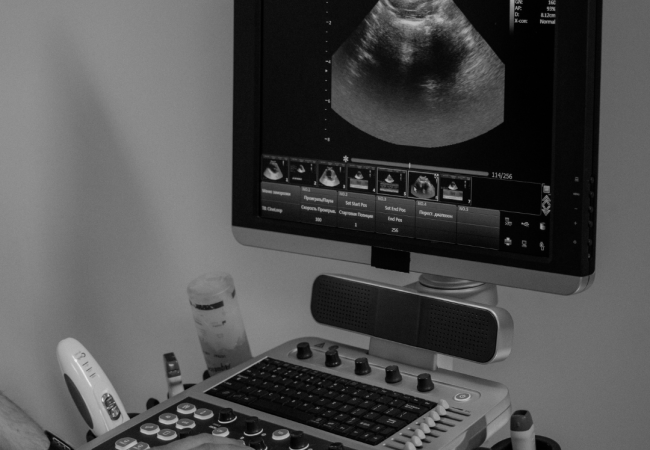
High-risk pregnancy software gets development grant
A new software tool designed by researchers at The Rosalind Franklin Institute, University of Manchester and collaborators to support decision making in pregnancies at high-risk of stillbirth is to receive a cash injection. The new grant funded by an Engineering…
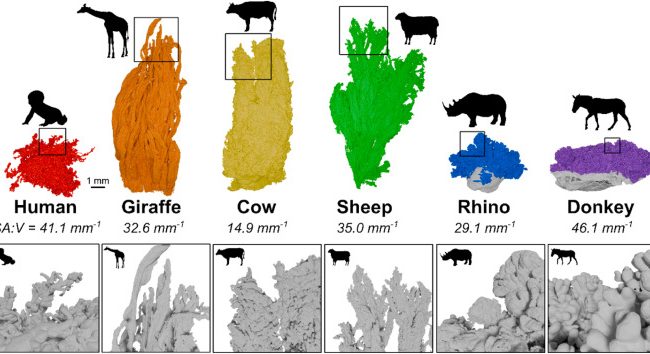
From mice to rhinos: Combining imaging techniques to quantify 3D mammalian placentas
A cross disciplinary collaboration led by the University of Southampton with researchers at the Rosalind Franklin Institute demonstrates the power of a multi-scale, multi-modal approach to imaging and quantifying aspects of placental structure across mammals of vastly different sizes, ancestries…
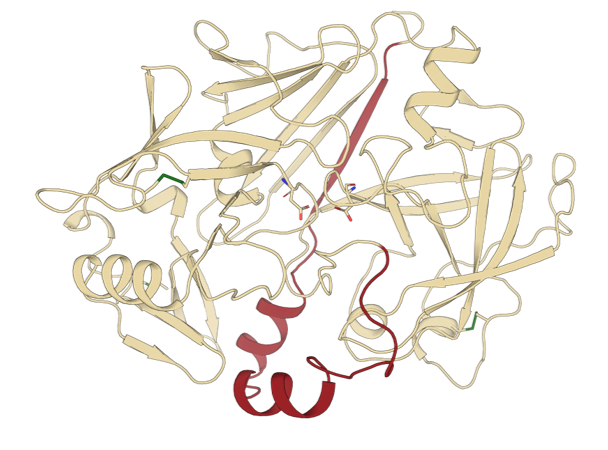
Capturing Complexity: How AntigenApp Is Transforming Nanobody Discovery at the Franklin
Researchers at the Franklin studying schistosomiasis- a neglected tropical disease affecting more than 200 million people globally- have now observed the structure of a key protein thanks to a unique blend of nanobody discovery and advanced data science. Cracking the…
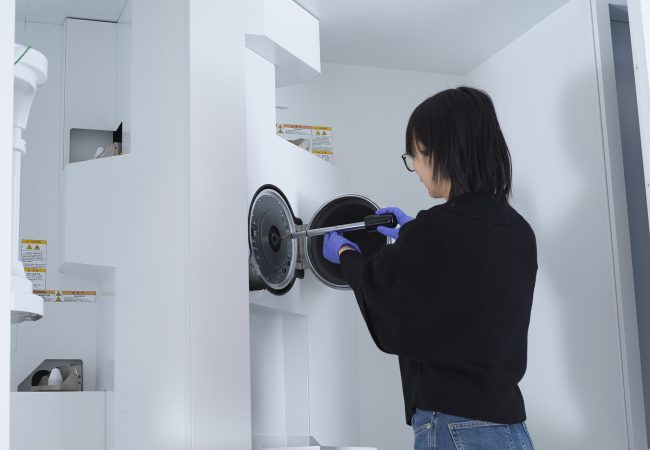
New electron microscopy method opens window into structural studies of thicker, more complex biological samples
Scientists at the Rosalind Franklin Institute have demonstrated a novel way to recover high-resolution structural details of biological objects using transmission electron microscopy – a technique that could reveal new details from thicker, more complex specimens than before. The approach,…
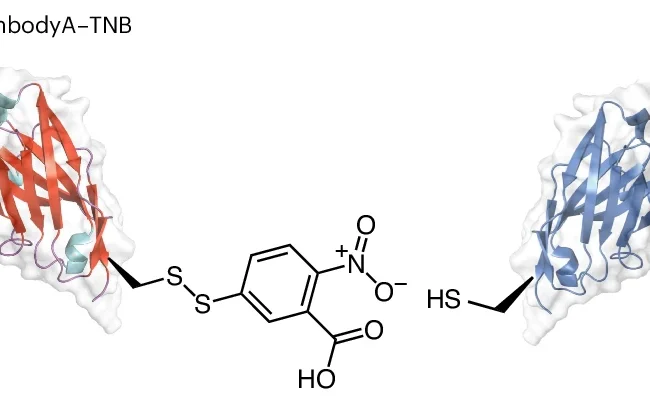
New bifunctional, bispecific nanobodies scaffold helps with small protein imaging
Researchers at the Rosalind Franklin Institute, University of Oxford, and Diamond Light Source have combined their expertise to create new scaffolding molecules to allow the electron microscopy imaging of small proteins (below 50 kDa). Using this method the team have…
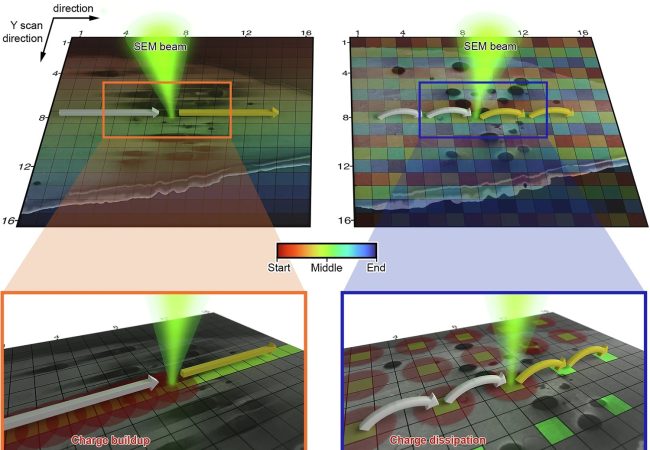
New scanning technique overcomes longstanding challenge in cryo-SEM imaging
Researchers at the Rosalind Franklin Institute have developed a new approach to scanning electron microscopy (SEM) that dramatically reduces obstructions caused by charging artefacts in frozen biological samples. The advance, described in a paper published in Nature Communications, allows scientists…
Moving from cells into tissue: a new tomography method
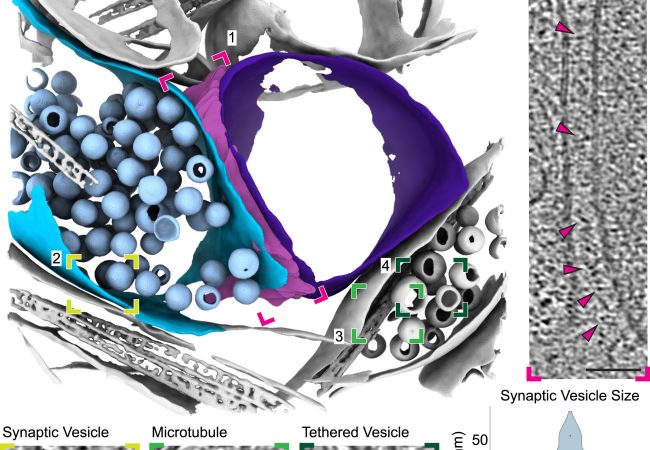
Researchers led by Dr Michael Grange at the Rosalind Franklin Institute have developed a robust molecular imaging workflow for brain tissue samples. Their approach utilises plasma ion beams, which increased the size of samples that could be extracted for imaging,…
Sugar signalling applications could boost wheat yields by up to 12%
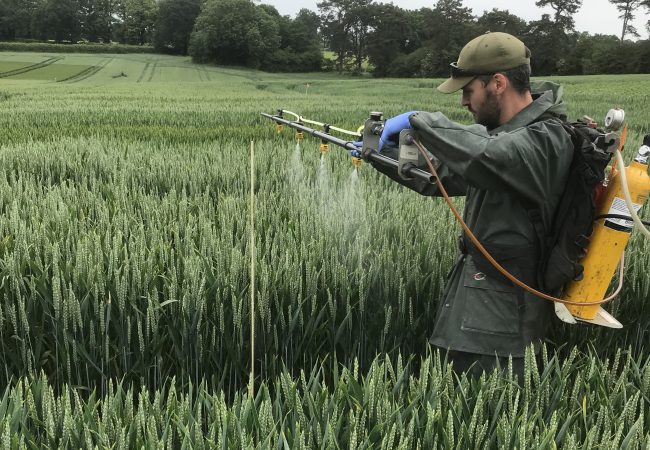
Long term study confirms effectiveness of new technology Enhancing wheat plants ’ sugar signalling ability could deliver increased yields of up to 12%, according to researchers from Rothamsted, Oxford University and the Rosalind Franklin Institute. That is an order of…